Why So Many Guests Return to Eden by Valza

A first visit usually begins with curiosity. A return visit begins with recognition.

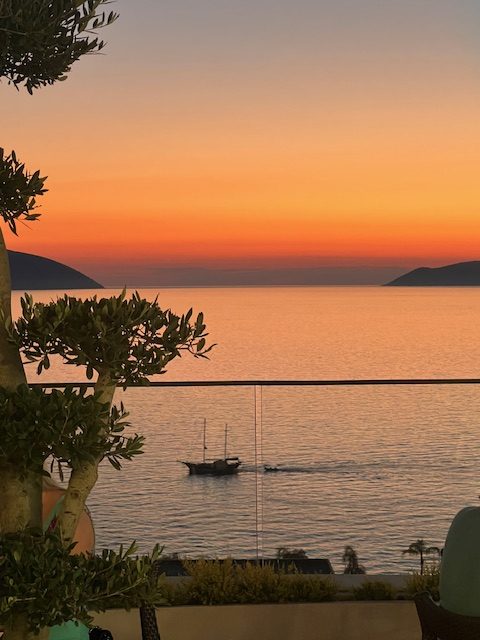
Returning guests already know how to reach the rooftop and how the Bay of Vlora opens beyond the tables. They are no longer deciding whether the place is worth discovering. They are deciding who to bring, which occasion belongs there and whether the restaurant will feel as familiar as they remember without becoming predictable.

Guests return to Eden by Valza because the restaurant combines consistency with change. The team begins to recognise preferences, the rooftop adapts naturally to different occasions, and the atmosphere shifts with the season. Each visit feels connected to the last, but never like an exact repetition of it.

Recognition Changes the Experience

Basic restaurant service is built on accuracy. The reservation is found, the table is prepared and each order reaches the correct guest.

Repeat visits reveal something deeper.

A returning couple may prefer a quieter table. A family may need easier access for an older relative. A guest who previously organised a birthday may return for a smaller dinner and expect a different rhythm. When these details are remembered, the evening begins with less explanation.

Recognition should remain discreet.

Guests do not need exaggerated familiarity or constant conversation. What matters is the sense that the restaurant has paid attention. A table preference is remembered. A previous request does not need to be repeated. The team understands that the guest has been there before without turning that knowledge into a performance.

This is one of the clearest reasons why guests return to Eden by Valza.

People do not return only because they remember the restaurant. They return because the restaurant remembers something useful about them.

The difference may appear small, but it changes the guest’s position. They no longer feel like one reservation among many. They feel expected.

Returning Guests Rarely Repeat the Same Occasion

A restaurant becomes more meaningful when it can support different stages of a person’s life.

Someone may first visit Eden as part of a couple, then return with friends. A family dinner may be followed by an anniversary. A hotel guest may come back to Vlora months later, stay somewhere else and still reserve the rooftop.

The place remains recognisable, but the reason for being there changes.

This tests the flexibility of hospitality.

A dinner for two requires privacy and controlled attention. A family gathering needs practical organisation and a service rhythm that works across generations. Friends who have not seen each other for months may spend more time talking than ordering. A birthday needs coordination without making the table feel managed like a formal event.

The restaurant should not create the emotion of the evening. That belongs to the people who arrive.

Its responsibility is to avoid interrupting it.

Sometimes this means waiting before approaching the table. Sometimes it means helping a group organise the evening more clearly. Sometimes it means recognising that guests want to remain a little longer after the formal meal has ended.

Returning guests notice whether the restaurant can adapt without losing its identity.

That ability builds trust.

People Return with Someone New

One of the strongest signs of confidence in a restaurant is when a guest returns with another person.

A recommendation made online carries limited personal risk. Bringing a friend, partner, parent or business guest to the same table is different. The returning guest is asking the restaurant to support an expectation they have already created.

They may tell a visitor to arrive before the evening light changes. They may bring parents because the lift and indoor parking make access easier. They may choose Eden when friends visiting Vlora want to see the bay from a perspective that feels separate from the promenade.

At that point, the returning guest becomes part of the introduction.

They know where the lift opens. They understand the layout. They may request a table based on a previous visit. They explain the place before the team needs to do so.

The restaurant receives two guests, but only one is arriving without a memory.

This behaviour is more significant than a compliment made at the end of dinner. It shows that the guest trusts Eden to represent their own judgment.

For a restaurant in Vlore, that form of return is especially valuable. It means the place has moved beyond being visited once as part of a holiday itinerary. It has become somewhere a guest actively chooses to share.

The Rooftop Changes Without Losing Its Identity

Returning to the same rooftop does not mean returning to the same evening.

Early in the season, the atmosphere can feel quieter and more open. During midsummer, the rooftop carries greater energy and the daylight remains longer. By September, dinner moves earlier from daylight into night and the temperature begins to change.

Returning guests notice these differences because they already understand the general setting.

Their attention shifts toward smaller details.

The position of the sun over the bay. A change in the air after several hot weeks. A table that feels different when occupied by family instead of friends. The first evening when the rooftop becomes cooler after sunset.

The view remains familiar, but the experience around it changes.

This is why repeat visits are not based on reproducing a perfect previous evening. A restaurant cannot recreate the same light, weather, group or conversation.

What it can preserve is the quality of attention.

Guests return because the structure remains dependable while the circumstances remain alive.

A Restaurant Becomes Part of Personal Geography

People often remember cities through private coordinates rather than official landmarks.

A café where a morning began. A street where an important conversation took place. A restaurant chosen whenever someone new comes to visit.

Over time, Eden can become one of those coordinates.

For one guest, it may remain the place of a first evening in Vlora. For another, it may become the rooftop used for family dinners. A couple may connect it with an anniversary, while a local guest may return whenever friends want to experience the city from above.

These associations are not created by marketing language.

They develop through repeated contact, reliable hospitality and the circumstances guests bring with them.

The restaurant provides the setting and protects the experience. The people around the table give it personal meaning.

That is the human reason returning guests matter.

They are not simply buying the same service again. They are choosing to place another part of their life in a setting they already trust.

Why do guests return to Eden by Valza?

Guests return because they recognise the setting and service, while each visit can still suit a different occasion, group and season. Discreet recognition from the team also makes repeat visits feel easier and more personal.

Is Eden suitable for different occasions?

Yes. Returning guests may use Eden for dinners as a couple, family gatherings, evenings with friends, birthdays, anniversaries or visits with people experiencing Vlora for the first time.

Should returning guests reserve again?

Yes. The most requested tables and busy evening periods remain limited. Reserving also allows previous preferences or new occasion requirements to be considered.

The Return Is the Most Meaningful Review

A first visit can begin with a photograph, recommendation or search result.

Returning requires trust.

It means the guest believes the restaurant will preserve what mattered before while allowing the next evening to develop differently.

That is why so many returning guests at Eden arrive with new people and new reasons.

The rooftop remains above the Bay of Vlora.

The relationship with the place continues to grow.

To return to Eden by Valza or introduce it to someone new, reserve by telephone or WhatsApp at +355 69 602 2022.