Inside Roads of Vlora: Exploring the Authentic Hinterland Beyond the Coast
1. A Different Way to Experience Vlora
Most visitors stay close to the coastline. The real Vlora begins inland, where secondary roads connect valleys, mountain slopes, and rural life shaped by geography rather than tourism.
These corridors include:
- Kuç – Nivicë – Tepelenë corridor
- Vlora – Poçem valley corridor
- Vlora – Qeparo inside route
They are working roads, used daily for movement, agriculture, and connection between scattered communities.
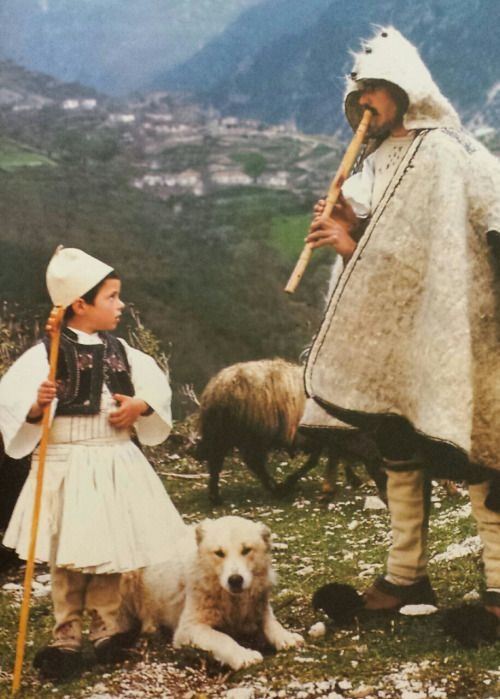
2. Labëria – Cultural Identity and UNESCO Polyphony
Labëria is the cultural landscape that defines much of inland Vlora. It is not an administrative zone but a living identity shaped by mountain life, oral tradition, and strong community structure.
Its most recognized expression is Albanian polyphonic singing, listed by UNESCO as Intangible Cultural Heritage of Humanity. This vocal tradition is built on layered voices where one leads and others respond in structured harmony.
From a cultural perspective:
- polyphony is performed in gatherings, ceremonies, and social events
- it carries memory, identity, and emotional storytelling
- it is transmitted orally, not formally taught in institutions
Labëria is also defined by a strong code of hospitality. The guest is not treated as a visitor but as part of the household, even if only for a short moment.
3. Caves and Geological Heritage – Including Shpella e Shkruar
The inland landscape is shaped by karst formations created through long-term limestone erosion.
From a geological perspective:
- caves form over millions of years through slow dissolution of rock
- stalactites and stalagmites develop through mineral deposition
- many caves preserve traces of prehistoric human shelter use
Among these formations is Shpella e Shkruar, located in Mesaplik. It lies within a typical karst environment of Labëria, where limestone relief and underground water systems dominate the landscape.
The cave is formed through long-term karst processes, where water infiltration through limestone fractures creates underground voids over geological time. Its internal surfaces display natural textures and mineral patterns that give the impression of “written” formations in stone.
These caves function as natural archives of climate history, geological evolution, and early human presence in the region.
4. Velça Waterfall and Cave System – Nature and Sound
The Velça area combines underground water systems and limestone geology in a single natural environment.
The waterfall is a seasonal karst spring activated by rainfall and aquifer pressure. It forms through erosion processes that shape vertical relief in softer rock layers.
Nearby caves are formed over long geological periods and contain mineral formations created by slow deposition. Acoustic reflection inside caves creates delayed echo effects due to irregular internal geometry.
Locally, the waterfall is described as a living sound, while the cave is considered a place where silence feels physical.
5. Brataj Stone Bridge and Rural Crossings – Engineering and Memory
The stone bridge in Brataj is a limestone arch structure built to withstand time and seasonal river flow. Its stability comes from compression-based engineering and solid rock foundations.
Smaller stone crossings and suspended paths reflect practical adaptation to terrain and water flow.
In local tradition, the bridge is seen as a symbol of continuity, shaped by generations who have crossed it and given it meaning beyond its physical structure.
6. Textile Traditions and Natural Fibers
Traditional weaving continues through wooden looms and manual techniques.
The process includes wool preparation, natural dyeing, and inherited weaving patterns. A key natural resource is Genista acanthoclada, locally known as gjineshtër, a Mediterranean plant whose fibers are traditionally processed for textile use.
Tezgjahu remains the cultural center of this craft, where skill, memory, and identity converge.
7. Pastoral Life, Food and Hospitality – The Core Experience
Food production is shaped by wild grazing, mineral spring water, and traditional methods.
The most powerful experience in these inland roads is hospitality.
The fireplace or oxhak is historically the center of every home. It is where guests are welcomed, food is shared, and conversation begins without formality.
The dollibash, who leads the toast, structures social gatherings through spoken ritual.
An old local understanding says that no traveler is left outside. Even a short stop becomes a shared moment around the fireplace. Hospitality is not service. It is identity.
8. Why These Roads Matter
The inside roads of Vlora reveal a system where nature, culture, and daily life are deeply connected.
They preserve geological formations shaped over millions of years, living traditions such as polyphony and weaving, and a social structure built on hospitality and continuity. This area has also been inhabited for millennia, making it a continuous living history hub where human presence, landscape, and tradition have evolved together over time.
These are not curated tourist experiences. They are living landscapes that function outside tourism logic.
TO DO LIST – Experience the Inside Roads of Vlora
- Drive inland instead of following the coastal highway
- Stop at mountain viewpoints between valleys and ridges
- Explore karst caves including Shpella e Shkruar in Mesaplik
- Visit seasonal waterfalls after rainfall
- Cross Brataj Bridge and other historic stone bridges along rural paths
- Experience live polyphonic singing when available
- Visit local agritourisms and small family farms
- Taste traditional roasted meat, mish në hell
- Notice the scent of wild medicinal herbs along the roads, the shifting colors of mountain vegetation through the seasons, and the wide natural panoramas that open with every turn
- Accept traditional hospitality when offered
- If not driving, try a small shot of traditional raki in a local setting
- Taste local cheese, honey, and olive oil from small producers
- Travel slowly and focus on experience, not distance
- It is recommended to greet people you meet along the way, as exchanging a simple greeting reflects the local tradition of respect and everyday human connection in these areas