
Mediterranean Food Culture in Albania | Slow Food, Seasonal Traditions & Vlora Cuisine
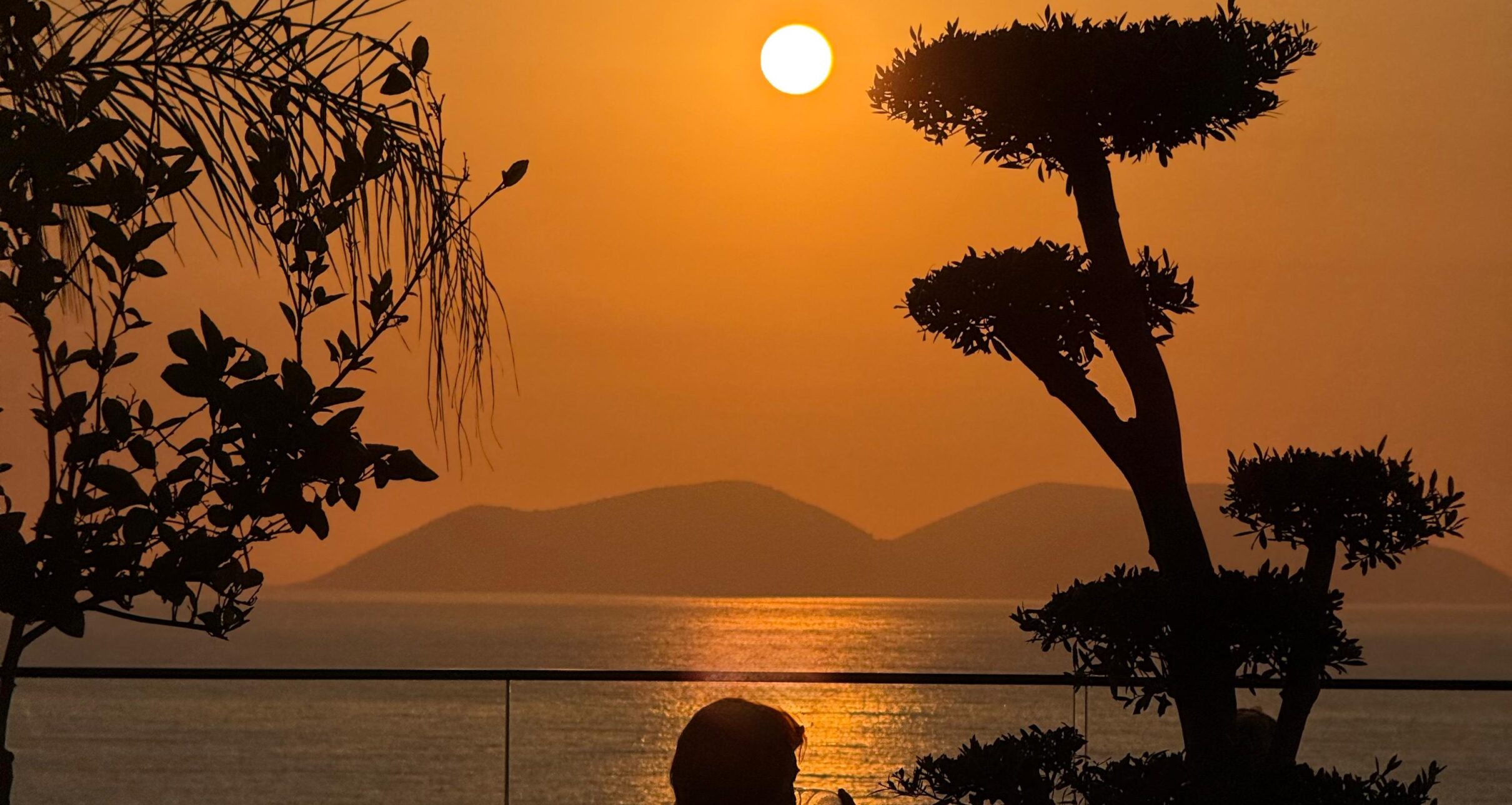
Mediterranean food culture is one of the most coherent and long lasting culinary systems in the world. It is not defined by borders, but by geography and way of life, shared across coastal societies that surround the Mediterranean Sea.
At its core, it is shaped by three constant forces: sun, sea, and seasonality. These forces determine what grows, what is harvested, and how food is prepared. Olive oil, grains, vegetables, seafood, herbs, and seasonal fruits form the foundation of a diet that has remained stable for thousands of years.
What defines this culture is not complexity, but continuity. Food follows natural cycles, not industrial timing. Meals are not only about nourishment, but about social connection, rhythm, and place.
Across the Mediterranean, this system adapts locally, but the principles remain the same: simplicity, seasonality, and respect for ingredients.
In southern Albania, and especially in the Vlora region, this Mediterranean logic becomes highly visible in everyday life.
The Foundation of Mediterranean Food Culture
At its core, Mediterranean cuisine is based on balance between land and sea.
Key principles:
seasonal ingredients following natural cycles
olive oil as the foundation of cooking
fresh, local products with minimal processing
shared meals as a social structure
This system evolved naturally in coastal civilizations where survival depended on adapting to seasonal availability rather than controlling it.
Seasonal Eating in Vlora: A Natural Food Calendar
Food in Vlora changes completely throughout the year. Each season shapes a different table.
Spring
wild asparagus and mountain greens
lamb prepared in traditional slow cooking methods
fresh cheese and yogurt from rural areas
oregano, thyme, rosemary, wild fennel
early honey from local beekeeping
Summer
fresh fish from the Adriatic and Ionian seas
grilled octopus and squid with olive oil and lemon
tomatoes, cucumbers, peppers, and fresh salads
watermelon (shalqi) and melon (pjepër)
light white wine in evening gatherings
Autumn
olive harvesting and fresh olive oil production
figs, grapes, and pomegranates
roasted lamb and slow cooked meat dishes
traditional wine production
raki prepared for winter social rituals
Winter
stews and slow cooked traditional meals
dried fruits and preserved vegetables
corn based dishes like harapash
cheese, bread, and olive oil as staples
stronger presence of raki in social gatherings
red wine in rural communities
✔️ Traditional Drinks and Natural Beverages
In Mediterranean culture, drinks are part of social and agricultural life.
Raki as a strong social and ceremonial drink
Wine as a seasonal agricultural product tied to harvest cycles
Alongside these, there are traditional natural preparations:
Mjalti (honey) as a natural product of beekeeping
used in warm home beverages such as water with honey or herbal infusions
associated with care, hospitality, and seasonal wellbeing rather than social drinking
This distinction reflects an important cultural structure: alcoholic drinks belong to social ritual, while honey belongs to natural nourishment and household tradition.
Food, Hospitality and Social Structure in Vlora
Food in Vlora is strongly connected to hospitality and social organization.
The traditional table is:
a place of gathering and decision making
a space where guests are always welcomed with generosity
a reflection of respect and social bonds
a setting where community life is reinforced
Historically, meals were not private moments but shared events where relationships, news, and decisions were formed.
Hospitality is not optional. It is a cultural expectation.
Food Landscape: Sea, Mountains and Mediterranean Vegetation
The region combines three natural systems that shape cuisine.
Wild and aromatic vegetation:
oregano, rosemary, thyme, sage
wild fennel and capers
wild asparagus in spring
Mediterranean shrubs in rocky terrain
Agricultural products:
olives and olive oil from ancient groves
figs, pomegranates, grapes, citrus fruits
tomatoes, peppers, seasonal vegetables
artichokes (angjinare) widely used in traditional cooking
Long sunny seasons and limestone soil create ingredients with intense natural flavor, reducing the need for complex preparation.
Fruits and Climate Driven Abundance
With a strong Mediterranean climate, fruit plays a central role in daily life.
watermelon (shalqi) shared in summer heat
melon (pjepër) consumed fresh and simple
figs eaten directly from trees
grapes used for both eating and wine production
citrus fruits like oranges and lemons
These fruits reflect a culture built on freshness, simplicity, and seasonal rhythm.
Food Memory and Historical Change
Food culture in Vlora has also been shaped by historical transitions.
During the communist period in Albania, access to seafood was limited despite the coastal geography. Fishing was controlled, and marine products were not part of everyday consumption for most people.
This created a gap between natural abundance and dietary reality. After this period, seafood gradually returned to local cuisine, restoring part of the coastal food identity.
Local Storytelling: Food as Memory and Trust
Food in Vlora carries meaning beyond nutrition.
One tradition says the first olive oil of the season is shared within the family before being used in cooking, as a sign of respect for land and continuity.
Another coastal story describes fishermen leaving part of their catch for neighbors before selling it, as a gesture of safety and trust toward the sea.
These practices show food as a system of memory, relationship, and continuity.
Eden by Valza: Contemporary Expression of Mediterranean Food Culture
Eden by Valza represents a natural continuation of Mediterranean food culture in a modern setting.
It does not reinterpret tradition. It follows it.
Its philosophy is based on:
seasonal ingredients sourced locally
slow preparation aligned with natural rhythm
respect for simplicity and original flavors
strong connection between sea, land, and table
Eden reflects the idea that Mediterranean food culture is not something recreated. It already exists in the landscape and daily life. The restaurant simply allows it to be experienced in a structured and contemporary way.
WHY MEDITERRANEAN FOOD CULTURE IN VLORA IS UNIQUE
direct connection between nature and food
strong seasonal structure of eating
preserved hospitality traditions
integration of sea, agriculture, and wild landscape
continuity between historical and modern food practices
FAQ – MEDITERRANEAN FOOD CULTURE IN VLORA
What defines Mediterranean food culture?
A system based on seasonal eating, olive oil, seafood, wild herbs, and shared social meals.
What role does raki play?
It is a social and ceremonial drink, mainly used in gatherings.
How is honey used in local tradition?
As a natural food product used in home beverages and hospitality, not as a social drink.
Why is Vlora important in Mediterranean cuisine?
Because it preserves a direct connection between sea, land, and traditional food systems.


