Vuno, Albania: A Stone Village Suspended Between Mountain and Sea
A place that was not built, but formed
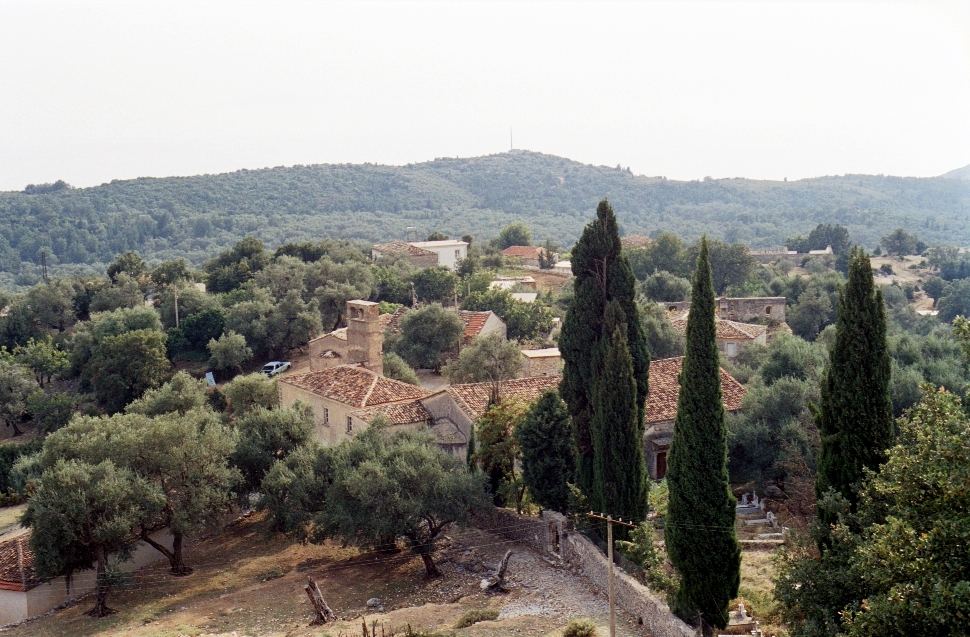
Vuno is a settlement that follows terrain rather than imposing itself on it. Seen from afar, it resembles a stone amphitheatre facing the Ionian Sea. On the ground, it becomes a dense network of paths, terraces, and houses that adapt precisely to slope, wind, and light.
The experience is immediate. Silence, stone, and horizon define the first impression. Everything else unfolds gradually.
Geography as structure
Vuno sits on a limestone system typical of karst landscapes. This is a geological environment where water slowly dissolves rock over thousands of years, shaping:
- fractured cliffs and slopes
- underground drainage systems
- caves and hidden channels
- sharp coastal formations
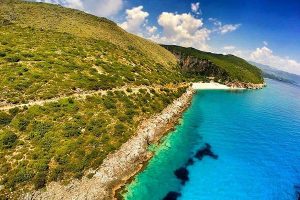
This same geological logic defines the wider region, including Gjipe Canyon, where erosion has created one of the most dramatic natural corridors between mountain and sea.
Here, landscape is not scenery. It is process.
Stone architecture as environmental intelligence
The village is built almost entirely from local limestone. Its use is functional, not decorative.
Stone provides:
- thermal stability in extreme seasonal shifts
- resistance to salt winds from the Ionian Sea
- long structural durability with minimal maintenance
Traditional dry-stone construction, still visible in retaining walls and terraces, relies on balance and weight distribution rather than binding materials. It reflects a construction logic based on precision and material understanding rather than modern reinforcement.
A settlement shaped by visibility and protection
The elevated position of Vuno reflects historical settlement strategy.
Across the Ionian coastline, communities often shifted inland and upward due to:
- maritime instability in different historical periods
- the need for early visual control of sea routes
- protection of agricultural land and water resources
Elevation was not symbolic. It was functional. Seeing the sea meant safety.
Cultural density in a compact landscape
Despite its size, Vuno contains a notable concentration of religious and cultural landmarks, reflecting a historically structured community life.
Key sites include:
- Kisha e Shën Spiridhonit
- Kisha e Shën Mërisë
These structures function as spatial anchors, defining neighborhoods and collective memory rather than standing as isolated monuments.
Local legend: when the sea participates in construction
Oral tradition linked to Kisha e Shën Spiridhonit describes a moment during construction when the village lacked timber for the roof.
After a strong storm, wooden beams reportedly washed ashore nearby. The community interpreted this as a meaningful coincidence and used the material to complete the structure.
In local interpretation, the story reflects a deeper idea: the sea is not separate from the village, but part of its material continuity.
Microclimate between mountain and sea
Vuno lies between Mount Çika and the Ionian Sea, creating a dual airflow system.
This produces:
- cooler nocturnal temperatures during summer
- balanced humidity levels supporting vegetation
- constant ventilation between inland and coastal air masses
The result is a stable Mediterranean microclimate that supports both agriculture and long-term habitation.
An aromatic Mediterranean ecosystem
The surrounding landscape is dominated by olive groves and native Mediterranean vegetation, including:
- ancient olive trees with deep root systems
- wild oregano and thyme
- sage and other aromatic shrubs
During warm months, volatile compounds released by these plants shape the sensory atmosphere of the entire area.
Coastal transitions within short distance
Vuno operates as a transition point between inland village life and coastal marine environments. Within a small radius, the landscape shifts dramatically.
Nearby destinations include:
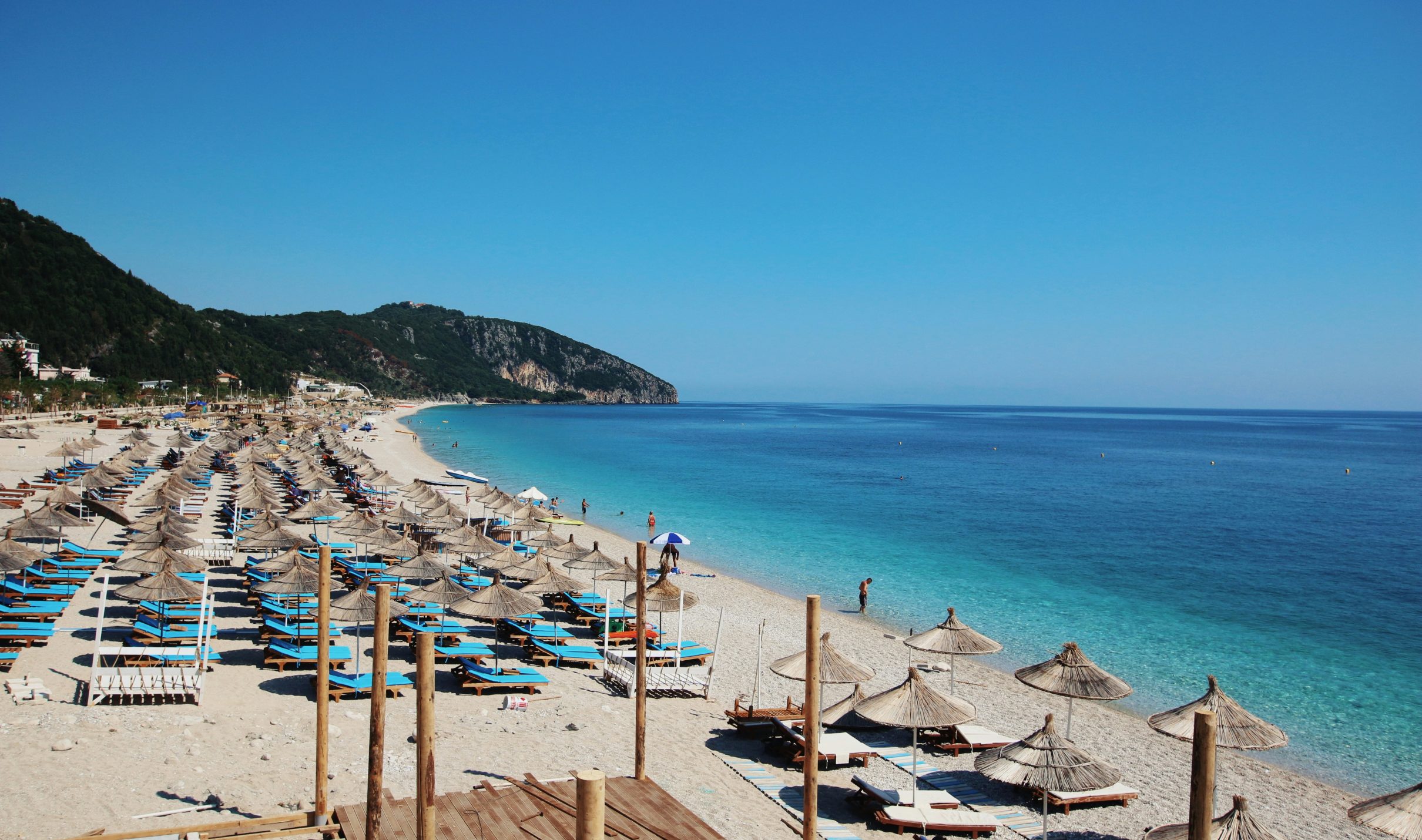
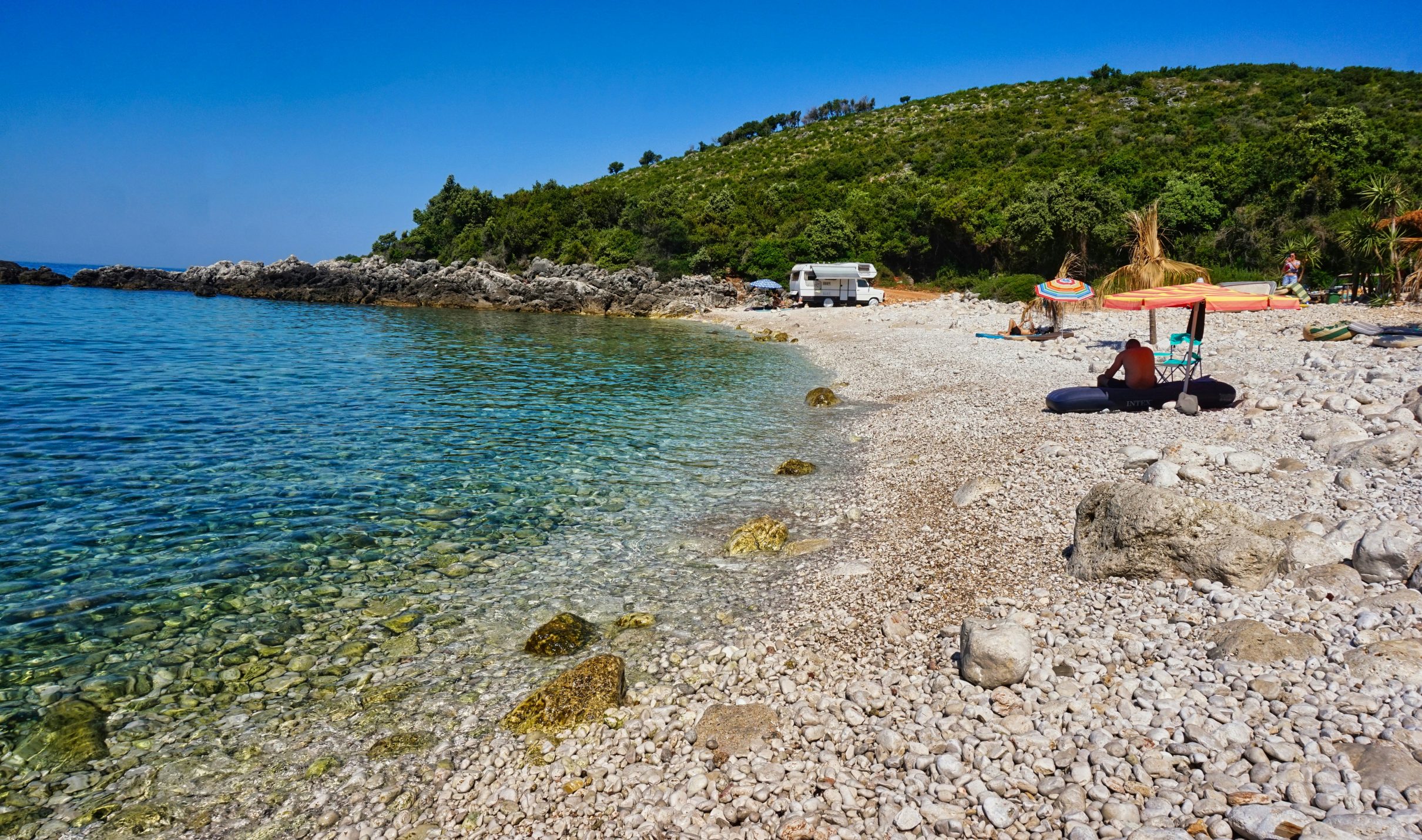
- Jala Beach — a sheltered bay with clear waters
- Aquarium Beach — known for exceptional water transparency
- Gjipe Canyon — a geological corridor between mountain and sea
Together, they form a continuous environmental system rather than separate attractions.
Night environment: clarity through absence of light
Low light pollution allows high visibility of the night sky.
On clear nights:
- the Milky Way becomes structurally visible
- star density perception increases significantly
- the horizon line between sea and sky remains sharply defined
This creates conditions more aligned with observation than consumption.
How to experience Vuno: a layered itinerary
1. Arrival layer
Enter through stone streets where space narrows and sound softens.
2. Cultural layer
Visit Kisha e Shën Spiridhonit and read the village through its built memory.
3. Panoramic layer
Move upward to viewpoints where the full amphitheatre structure becomes visible.
4. Coastal layer
Descend toward Jala Beach for direct sea contact.
5. Natural system layer
Explore Gjipe Canyon as exposed geological structure.
6. Temporal layer
Return at sunset, when land and sea visually converge into a single horizon.
Final synthesis
Vuno is not defined by attractions but by systems. It is a place where geology, architecture, and human settlement operate as one continuous structure.
It can be read through three overlapping dimensions:
- geological time expressed in limestone and erosion
- human time expressed in stone construction and settlement patterns
- sensory time expressed through light, wind, and silence
The visitor does not simply arrive in Vuno. They decode it gradually, layer by layer, until the landscape becomes legible.