HIMARE TRAVEL GUIDE: COASTAL LAYERS OF HISTORY, LANDSCAPE AND THINGS TO DO IN HIMARA
Himara Albania, a layered destination on the Albanian Riviera
Himara is one of the most complex coastal regions on the Albanian Riviera, defined not by a single attraction but by a continuous system of landscapes, historical sites and natural transitions. It combines mountains, Ionian Sea coastline, stone villages, beaches and archaeological sites into one coherent geographical structure.
Unlike typical beach destinations, Himara Albania is best understood through movement. Every part of the coastline is connected through elevation, visibility and access routes that have shaped human settlement for thousands of years.
This Himara travel guide explores the region as a layered system, combining history, nature and the best places to visit in Himara.
Things to do in Himara, a journey through vertical landscapes
The experience of Himara is structured vertically. The first layer begins in elevated settlements, where visibility over the Ionian Sea defined survival, defense and communication.
Kalaja e Himarës, historic castle and panoramic viewpoint
One of the most important places to visit in Himara is Kalaja e Himarës. Positioned above the modern town, the castle represents the earliest layer of settlement in the region.
Historically, this structure functioned as both a residential and defensive system. Houses, religious buildings and protective walls were integrated into a single compact environment. Its position allowed control over maritime routes along the Ionian Sea and visual connection with inland valleys.
Today, Kalaja e Himarës is one of the top things to do in Himara for panoramic views, cultural exploration and understanding the historical identity of the region.
Porto Palermo castle Albania, maritime control and coastal defense
Moving south along the coastline, the geography transitions into peninsulas and natural bays that shaped maritime defense systems.
Kalaja e Porto Palermos, strategic fortress on the Ionian Sea
Porto Palermo castle Albania is located on a narrow peninsula surrounded by sea on both sides. This natural formation created one of the most strategic defense points on the Albanian Riviera.
The fortress was designed to control maritime movement along the Ionian corridor. Unlike inland castles, its function was outward facing, focused on observation, surveillance and naval control.
Today it is one of the most visited historical sites near Himara and a key stop in any Albanian Riviera itinerary.
Cold War tunnels Albania, hidden military history in Porto Palermo
One of the most unique attractions in Himara is the Porto Palermo submarine tunnel system, a Cold War military structure carved directly into coastal rock.
Submarine tunnel base and underground naval infrastructure
During the Cold War, the Albanian coastline was transformed into a restricted military zone. Porto Palermo became a strategic naval point with underground tunnels designed for submarine concealment.
These tunnels allowed vessels to enter directly into the mountain, remain hidden and be serviced internally. The system represents a shift in military architecture from visible defense structures to hidden infrastructure integrated into natural geology.
Today, Cold War tunnels Albania are among the most distinctive historical things to do in Himara and attract visitors interested in modern military history.
Spile Cave Himara Albania, archaeology, nature and myth
Spile Cave as one of the oldest sites in Himara
Spile Cave Himara Albania is a large coastal cave shaped by natural erosion and long-term human use. Archaeological findings indicate continuous presence from prehistoric periods, including stone tools and pottery fragments.
The cave functioned as a temporary shelter and coastal transit point rather than a permanent settlement. It represents early human adaptation to the Ionian coastline.
In a wider Mediterranean context, Spile Cave is often associated with mythological narratives, including Homeric geography traditions. While not historical fact, these interpretations reflect how natural formations across the Ionian region were integrated into cultural storytelling.
Pilur village Albania, mountain life above Himara
Things to visit above the coastline
Above the coastal layer, Himara transitions into elevated rural settlements. One of the most important is Pilur village Albania, located in the mountains with wide views over the Ionian Sea.
Pilur is defined by terraced agriculture, stone architecture and seasonal rural life. Historically, it functioned as part of a broader regional system connected to coastal trade and movement.
Today, Pilur is included in many Himara travel guides as a panoramic viewpoint and cultural stop within inland Himara exploration routes.
Himara beaches, Livadhi and coastal sequence
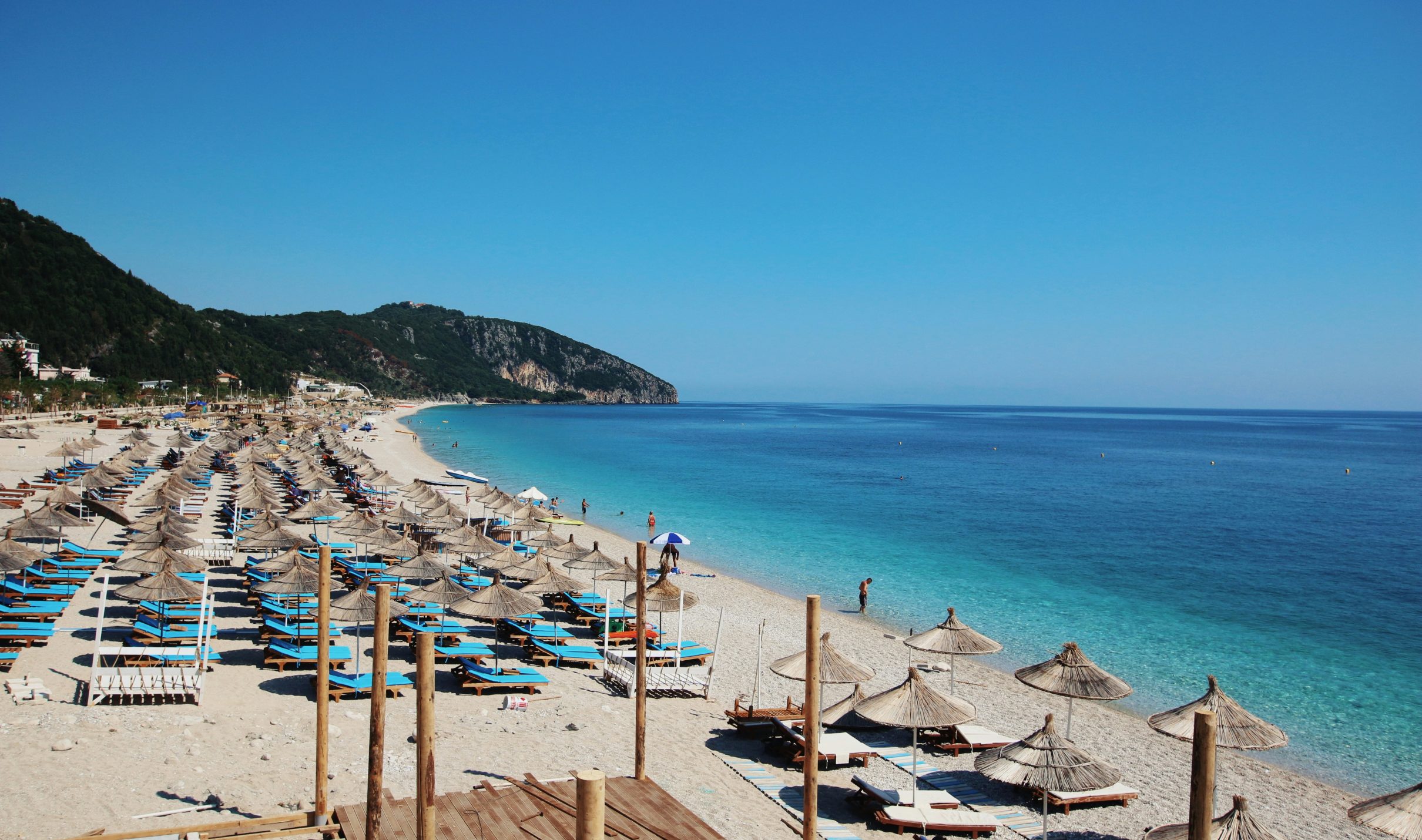
The coastline of Himara is not a single beach but a sequence of connected micro landscapes.
Livadhi beach Himara and surrounding coastline
Livadhi beach Himara is one of the most known coastal areas, offering a long shoreline and access to clear Ionian waters. Nearby, smaller coves and inlets create a fragmented but continuous beach system.
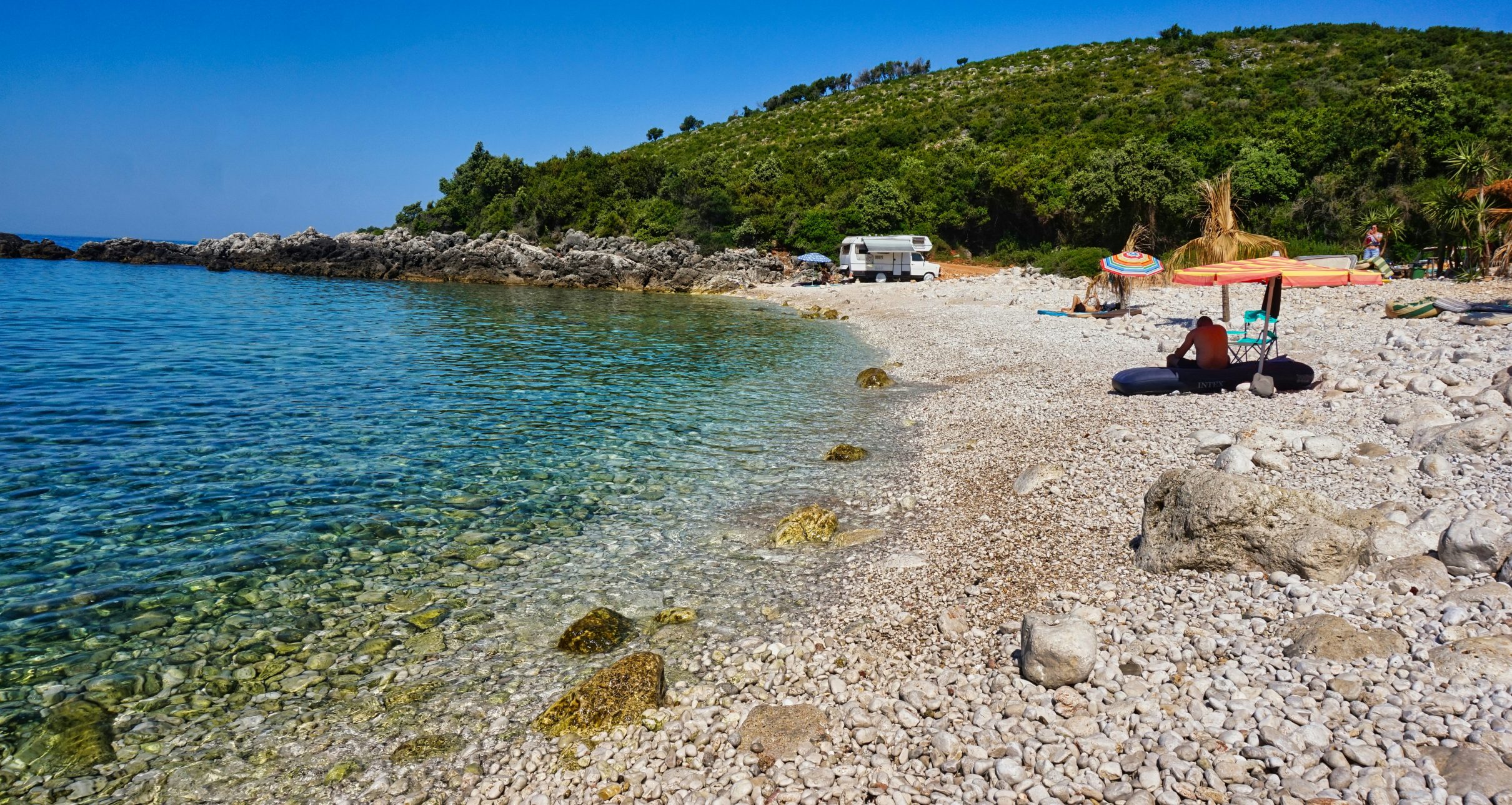
Other areas around central Himara offer semi-remote beaches accessible by road or walking paths, forming a layered coastal experience.
This makes Himara beaches one of the most searched categories for visitors planning their Albanian Riviera itinerary.
How to experience Himara, suggested itinerary and route
The best way to understand Himara is through a structured geographical route rather than isolated visits.
Recommended Himara itinerary
Arrival in Himara town and coastal promenade
Visit Kalaja e Himarës for elevation and overview
Descent to Livadhi beach for coastal experience
Southward drive to Porto Palermo peninsula
Visit Kalaja e Porto Palermos fortress
Explore Cold War submarine tunnel system
Stop at Spile Cave Himara for archaeology and natural history
Ascent to Pilur village Albania for panoramic landscape closure
This sequence represents the full things to do in Himara itinerary, combining history, nature and coastline.
Mediterranean landscape and local lifestyle in Himara
Himara is part of the wider Mediterranean ecological system defined by olive cultivation, seasonal agriculture and coastal marine resources.
The region is characterized by:
- olive groves and olive oil production
- citrus cultivation in small family plots
- wild herbs and Mediterranean vegetation
- fresh seafood from the Ionian Sea
This natural system shapes both daily life and traditional cuisine, forming part of the authentic experience of visiting Himara Albania.
Why visit Himara on the Albanian Riviera
Himara stands out on the Albanian Riviera because it combines multiple layers of tourism interest in one destination:
- beaches and coastal landscapes
- historical castles and fortresses
- Cold War military heritage
- archaeological sites like Spile Cave
- mountain villages like Pilur
This combination makes it one of the most complete destinations for travelers looking for things to do in Himara beyond typical beach tourism.
Final perspective, Himara travel guide summary
Himara should be understood as a continuous system rather than a collection of places. Its value lies in how geography, history and human settlement interact across layers of mountain and sea.
From Kalaja e Himarës to Porto Palermo castle Albania, from Cold War tunnels Albania to Spile Cave Himara, and from Livadhi beach Himara to Pilur village Albania, the region forms a complete spatial narrative of the Albanian Riviera.
For travelers searching for an authentic Himara travel guide, the experience is not defined by individual stops but by the transition between them.