A Kitchen Connected to Vlora
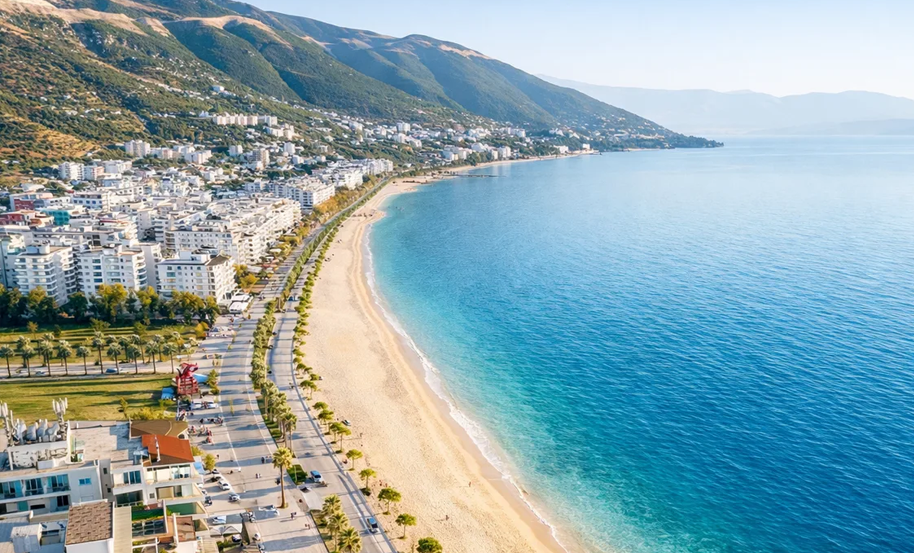
Vlora sits between the sea, fertile agricultural land and the mountains of southern Albania. For a kitchen, that geography matters. Seafood belongs naturally to the coastal table. Beyond the shoreline, farms, villages and small producers provide vegetables, herbs, dairy products, olive oil, citrus and other ingredients that have shaped local cooking for generations.
At Eden, we do not see these products as a list of traditional ingredients that must always be used in traditional recipes. We see them as the vocabulary of the kitchen.
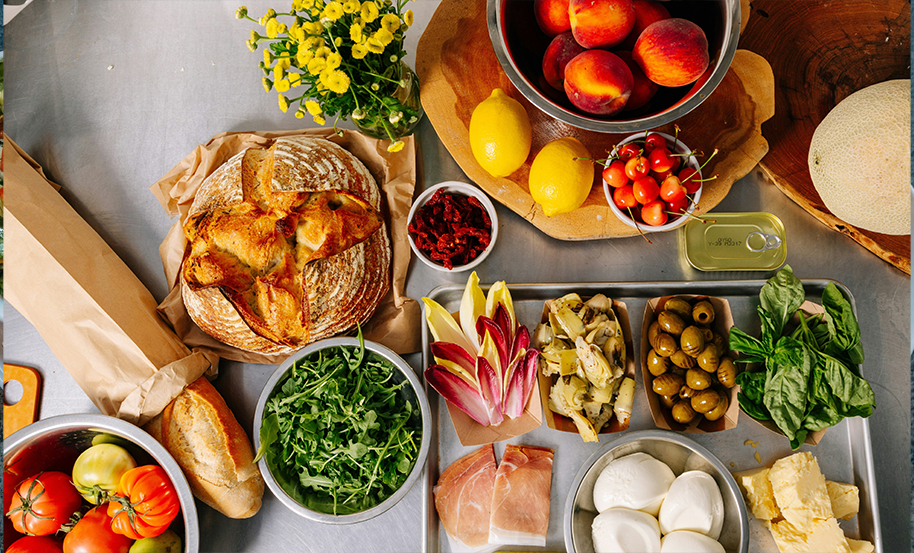
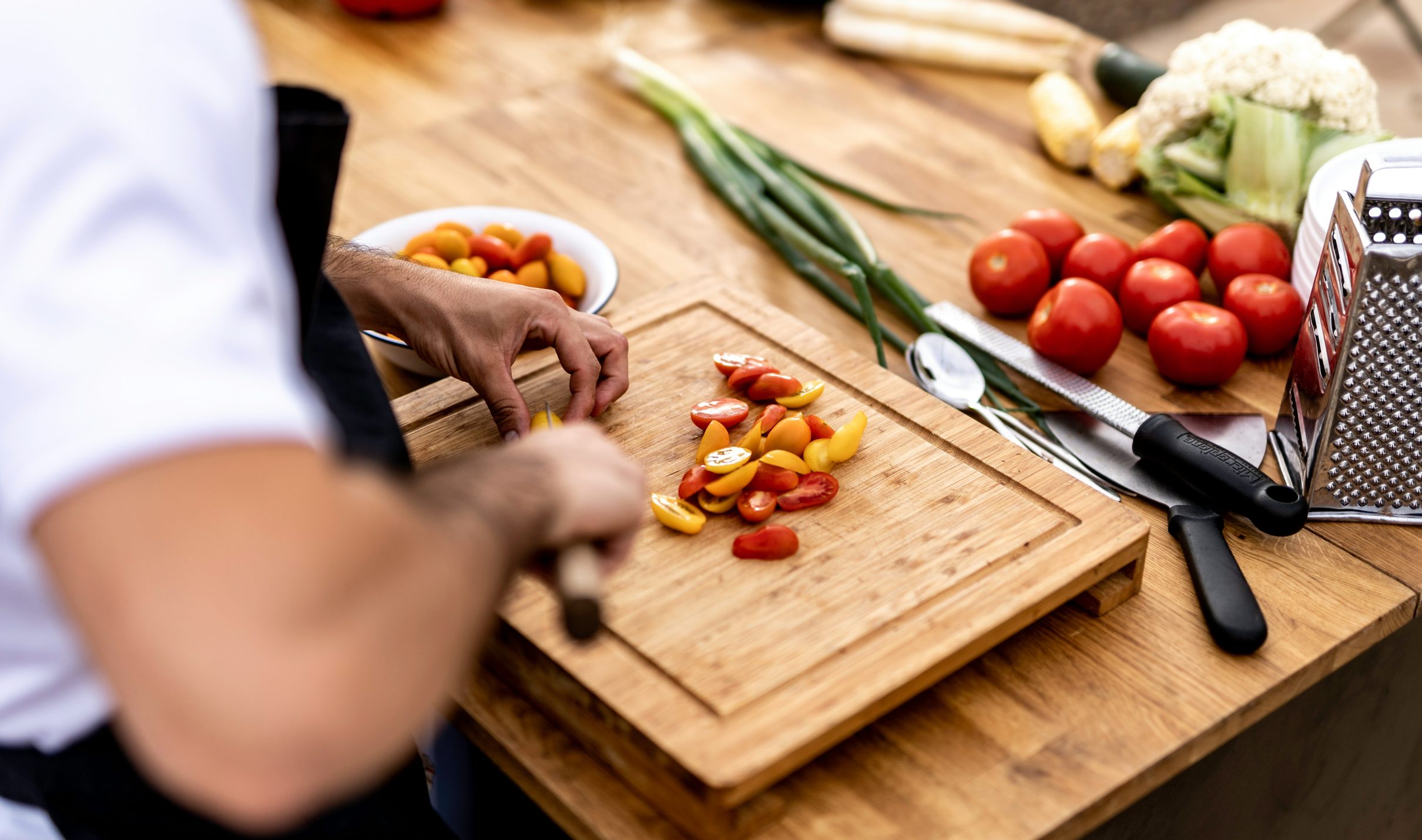
Olive oil can become the foundation of a dressing or the final element of a plate. Yogurt can bring freshness and acidity. Herbs can lift a sauce without making it heavier. Seasonal vegetables can be grilled, roasted, smoked, puréed or served almost untouched when the product itself deserves to remain at the centre.
The technique can change. The connection to the place does not have to.
The Chef’s Garden Is Small on Purpose
A few steps below the rooftop, the garden at Valza plays a small but very real role in the kitchen. It would be easy to describe it as a restaurant garden that supplies everything we need. It does not. Our garden is not a farm, and it does not need to be one.
Its value is in having certain ingredients close to the kitchen, particularly aromatic herbs, lemons and seasonal plants that can be picked when they are ready and used where freshness genuinely changes the result. A herb cut shortly before service carries an intensity that gradually disappears after harvesting. A lemon picked from the garden can provide the acidity that brings seafood, olive oil or a richer sauce back into balance. Sometimes the contribution is only a few leaves or a squeeze of citrus, but those small details matter.
The garden also reminds the kitchen that nature does not follow a restaurant menu. Heat, rain and season decide what grows well and when. Some weeks provide abundance. Others do not.
For us, this is part of what Slow Food means in practice: allowing the ingredient to influence the kitchen rather than expecting every ingredient to be permanently available simply because it appears on a menu.
Local Producers Extend the Garden
What we cannot grow ourselves has to come from somewhere. This is where local producers and suppliers become part of the story.
Working locally does not mean choosing an ingredient simply because it was produced nearby. It still has to meet the standard required by the kitchen. Seasonality also means accepting variation. A small producer does not operate like an industrial catalogue. Tomatoes change through the summer, herbs respond to weather, olive oils have different characteristics, while fish and seafood depend on availability.
That variation is not necessarily a problem. It can be information.
The kitchen learns what is particularly good at a given moment and can respond accordingly. Over time, choosing locally where quality allows creates something more valuable than a purchasing list. It creates a pantry that reflects the region around the restaurant.
Supporting local producers therefore becomes part of cooking itself, not a separate statement written on a menu.
Local Ingredients Should Go Deeper Than the Garnish
One of the most important parts of restaurant cooking is often invisible to the guest. Before service begins, flavour is already being built.
Stocks, seafood bases, vegetable preparations, infused oils, marinades, sauces and reductions can determine the character of a finished dish long before its final ingredients reach the plate. This is where we believe local products become especially meaningful.
Putting a local herb or tomato on top of a dish is not enough to give a kitchen a sense of place. The stronger connection comes when ingredients from the region enter the foundations of the cooking. Seafood can provide the depth of a stock or bisque. Herbs can become aromatic oils. Vegetables can be roasted or smoked to concentrate their flavour. Olive oil becomes part of the structure rather than simply a finishing touch, while citrus provides acidity and balance.
The ingredient may no longer be obvious when the plate arrives. Its flavour remains.
Two Plates, Two Ways of Expressing the Coast
Our seafood risotto is a good example. The dish brings together rice, shellfish and a seafood bisque. Its coastal identity does not come simply from placing prawns, scampi, squid and mussels over rice.
The important work happens underneath. Flavour extracted from the seafood becomes part of the base of the dish, so the character of the sea runs through the risotto rather than sitting only on its surface. The sea becomes part of the foundation, not merely the decoration.
Grilled octopus follows a different logic. Here, restraint matters. The octopus first needs tenderness and then enough direct heat to develop the flavour and texture of the grill without losing moisture. Chickpeas and seasonal vegetables bring ingredients from the land alongside it, while herbs, olive oil and acidity help bring the plate into balance.
One dish concentrates the sea. The other brings sea and land together. Neither needs a long list of ingredients to explain where it belongs.
Modern Cooking Does Not Require Leaving Tradition Behind
Eden serves modern Albanian and Mediterranean cuisine. For us, “modern” does not mean replacing local ingredients with unfamiliar ones or changing a traditional flavour simply to make a plate look contemporary. It means having more techniques available to express ingredients that already belong here.
A vegetable can be smoked instead of boiled. A herb can become an oil. Seafood shells that might once have been discarded can contribute to a concentrated bisque. Yogurt can move from accompaniment to an element that provides acidity and balance. The presentation may change, but the ingredient still carries its origin.
That is the relationship between tradition and contemporary cooking that interests us most: not copying the past, but not rejecting it either.
Where to Eat in Vlora Is Also a Question of Place
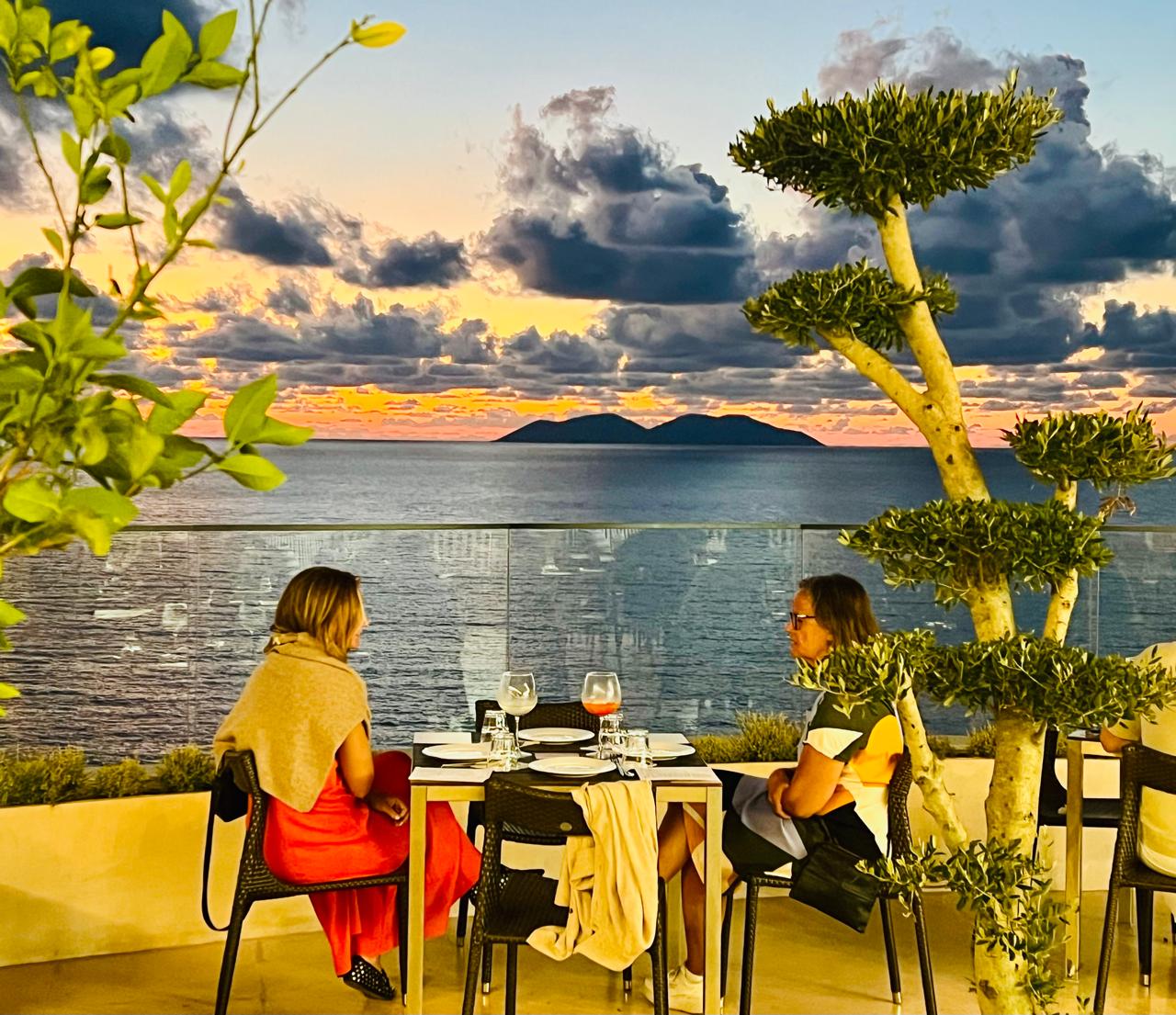
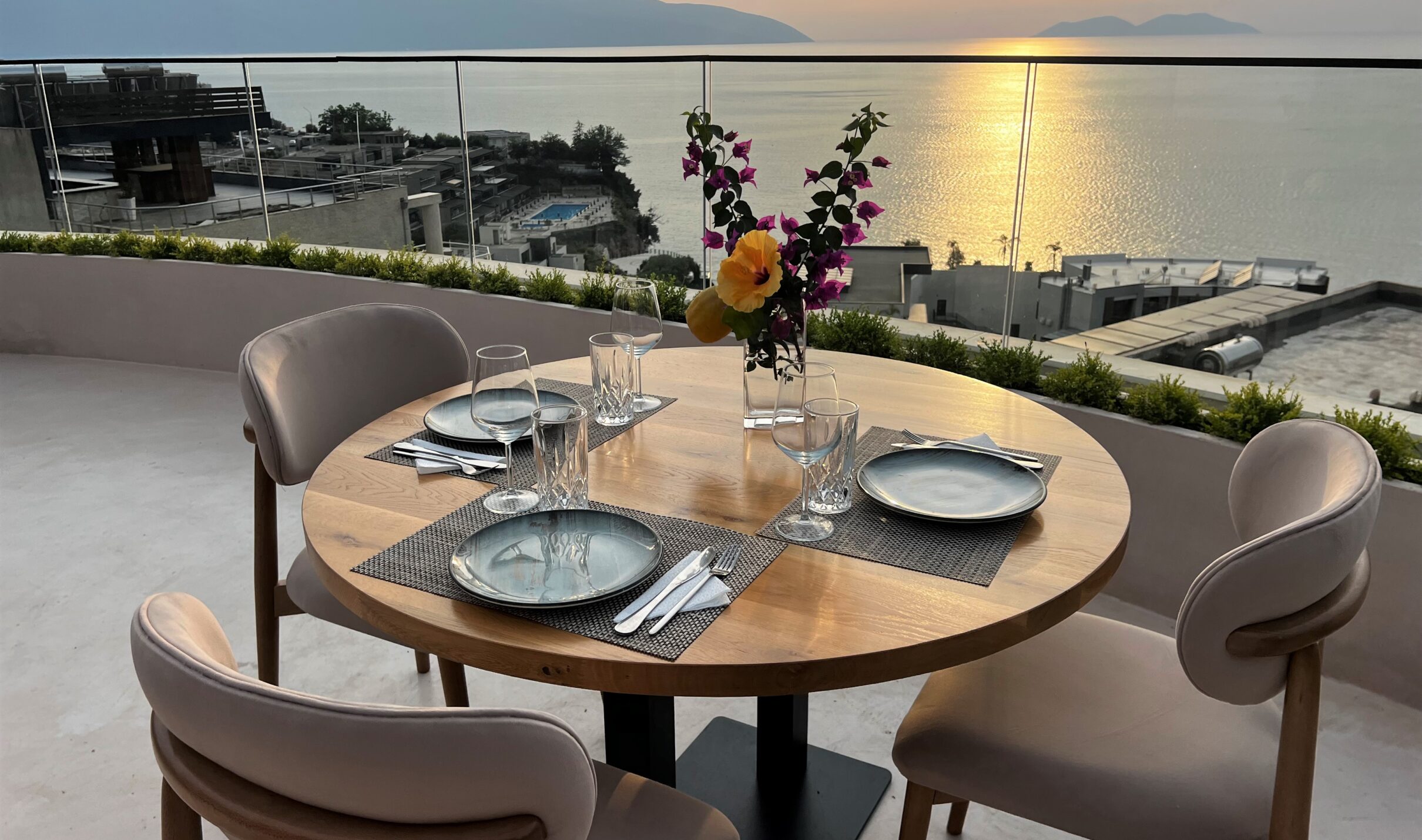
People searching for where to eat in Vlora have more choice today than ever before. There are traditional restaurants, seafood taverns, beach restaurants and contemporary dining rooms. A rooftop restaurant overlooking the Bay of Vlora adds another kind of experience, especially around sunset.
But a view can make dinner memorable without defining the food.
For Eden by Valza, the culinary identity should also be found in less visible places: in herbs growing a few steps from the kitchen, in lemons picked from our garden, in choosing local products when they meet the quality we need, in seafood being transformed into the base of a risotto before the first guest arrives, and in a seasonal vegetable being allowed to change because the season itself has changed.
These are small decisions when considered individually. Together, they create a pantry. And from that pantry, a restaurant begins to develop a taste that belongs not only to its chef or its menu, but also to the place around it.
For us, that is the meaning of a Slow Food connection in Vlora: not simply serving food produced nearby, but building a kitchen that understands where it is.