What Seasonal Cooking Means on the Albanian Coast

Seasonal cooking is often described as a philosophy. On the Albanian coast, it is also a practical reality.

Summer in Vlora does not taste like spring. September does not offer quite the same ingredients as June, and a kitchen working close to the sea cannot assume that every fish, vegetable, herb or fruit will be equally good every week of the season.

At Eden by Valza, our rooftop restaurant in Vlora, we see this variation as something a kitchen should work with rather than try to hide. Seasonality does not mean changing an entire menu every few weeks. It means understanding when ingredients are at their best, allowing parts of a dish to evolve and accepting that consistency in a serious kitchen should come from standards and technique, not from forcing nature to produce exactly the same thing every day.

The Albanian Coast Has Its Own Culinary Calendar

The cooking season in Vlora begins before the busiest summer months. When Eden opens in May, the landscape around the city is still moving from spring towards summer. Temperatures are softer, fresh herbs and vegetables become increasingly important, and the evenings encourage a different style of eating from the one that will feel natural two months later.

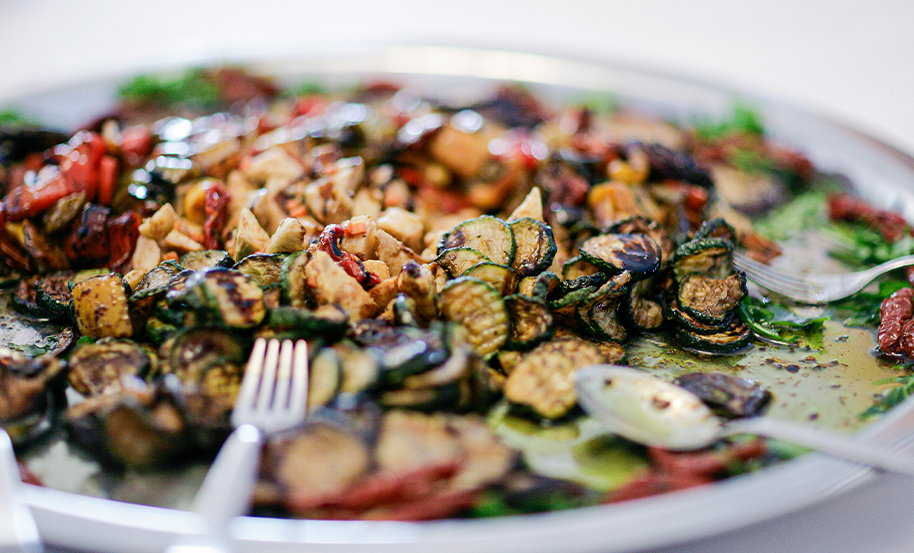
As June develops, tomatoes, peppers, aubergines and other summer vegetables gain character. Herbs become more intense. Longer days change not only what is available to the kitchen but also how people dine.

By July and August, Vlora is in a different rhythm. The heat lasts well into the evening, dinner begins later and freshness becomes increasingly important. Acidity, vegetables, seafood, herbs and preparations that do not unnecessarily weigh down the plate naturally find their place.

Then comes September. The days remain warm, but the evenings begin to soften. The intensity of peak summer disappears. Some ingredients are still at their best while others begin to change, and the food can gradually move with them.

This is why seasonality is not simply a question of what is available. It is also about what feels right at the table.
The Sea Has a Season Too

For a coastal restaurant, the calendar does not stop at the vegetable market. The sea has its own rhythm.

Fish and seafood are natural parts of dining in Vlora, but availability is not identical throughout the year. Weather, fishing conditions, biological cycles and the day’s catch all influence what reaches the kitchen. There is a difference between having seafood on a menu and allowing the sea to influence the way a kitchen thinks.

At Eden, seafood is an important part of our Mediterranean identity, from grilled fish and octopus to shellfish and seafood preparations. The objective is not to turn natural variation into a complication for the guest. It is to choose well, respect availability and then apply consistent technique.

Nature may change. The standard of the kitchen should not.

A Dish Can Change Without Losing Its Identity

Seasonal cooking does not require a restaurant to reinvent its menu every month. Sometimes the central idea of a dish remains while the ingredients around it move with the season.

Grilled octopus is a simple example. The octopus and the technique can remain central, while vegetables, herbs or another supporting element respond to what is particularly good at that moment.

The same can happen throughout a menu. A salad in early summer does not have to be identical to one served at the end of September. A garnish can change. Herbs can become more or less prominent. A sauce can move towards greater freshness during the hottest weeks or slightly more depth when evenings become cooler.

The guest may never think of these as major changes. That is exactly the point. Seasonality often works best when it is felt rather than announced.

Cooking for the Temperature Outside

Ingredients are only part of the seasonal equation. The weather changes appetite.

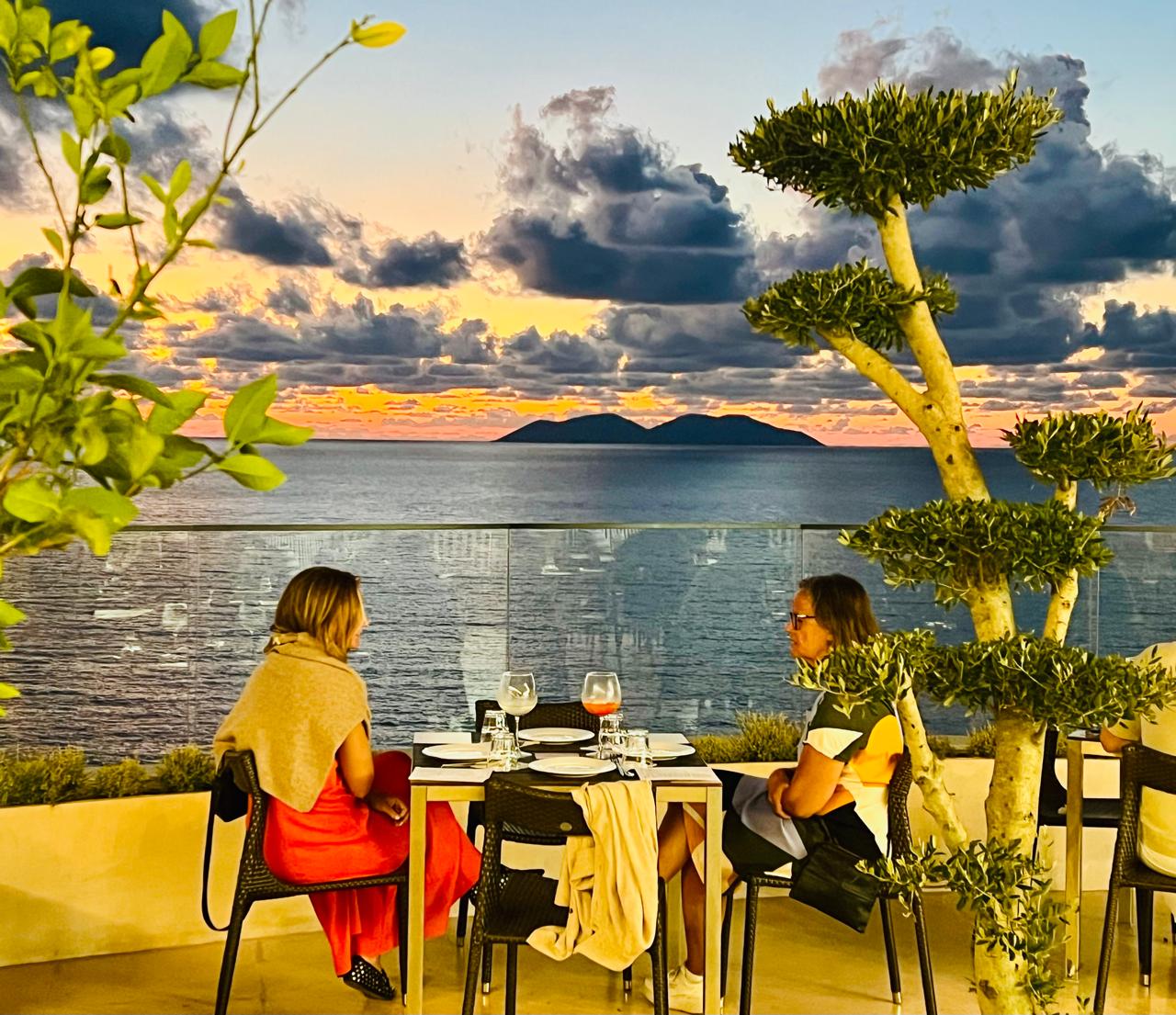
A guest sitting on the Eden rooftop on a warm July evening, after a day at the beaches of Vlora, does not necessarily want the same progression of flavours that feels satisfying on a cooler evening at the beginning or end of the season. This affects the way a menu should be balanced.

Freshness and acidity become particularly valuable during the hottest period. Seafood and vegetables can carry more of the meal. Richer elements need enough contrast to remain enjoyable. Cocktails, wine and food also have to work together rather than compete for weight.

Later in the season, when the sun sets earlier and the evening cools more quickly, the balance can shift. This does not require dramatic changes. Good seasonal cooking is often about small adjustments made for good reasons.

From the Chef’s Garden to the Season Around It

Our chef’s garden at Valza makes this cycle visible on a small scale. Herbs do not grow with the same intensity throughout the entire Eden season. Lemons have their own cycle. Plants respond to heat, water and sunlight rather than to restaurant service.

The garden therefore acts as a simple reminder of a larger principle: ingredients have their own timing. When something is particularly good, the kitchen can use it. When it is not ready, there is little value in pretending otherwise.

The same principle extends beyond our garden to vegetables, fruit, seafood and the products we source from the surrounding region. Seasonal cooking begins by paying attention.

The Guest Does Not Need a Lecture

Most people do not come to Eden to study culinary seasonality. They come for dinner.

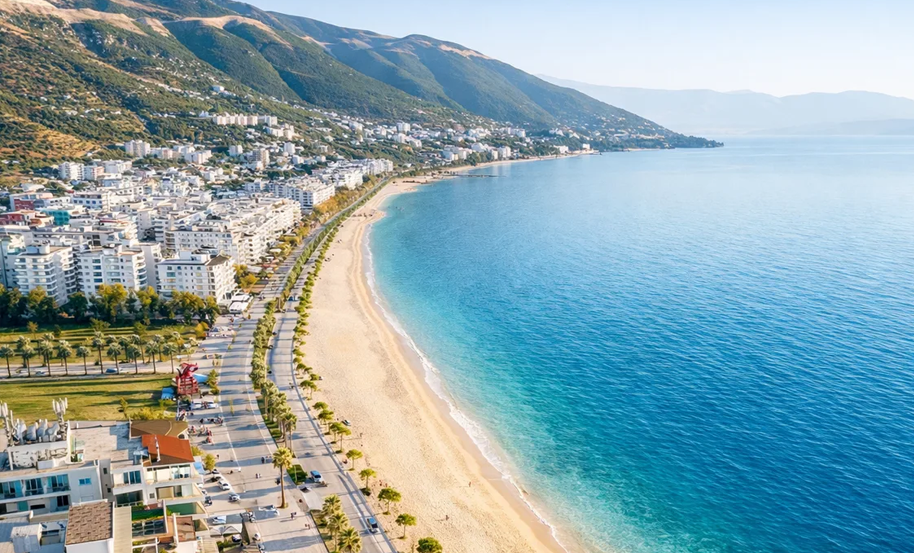
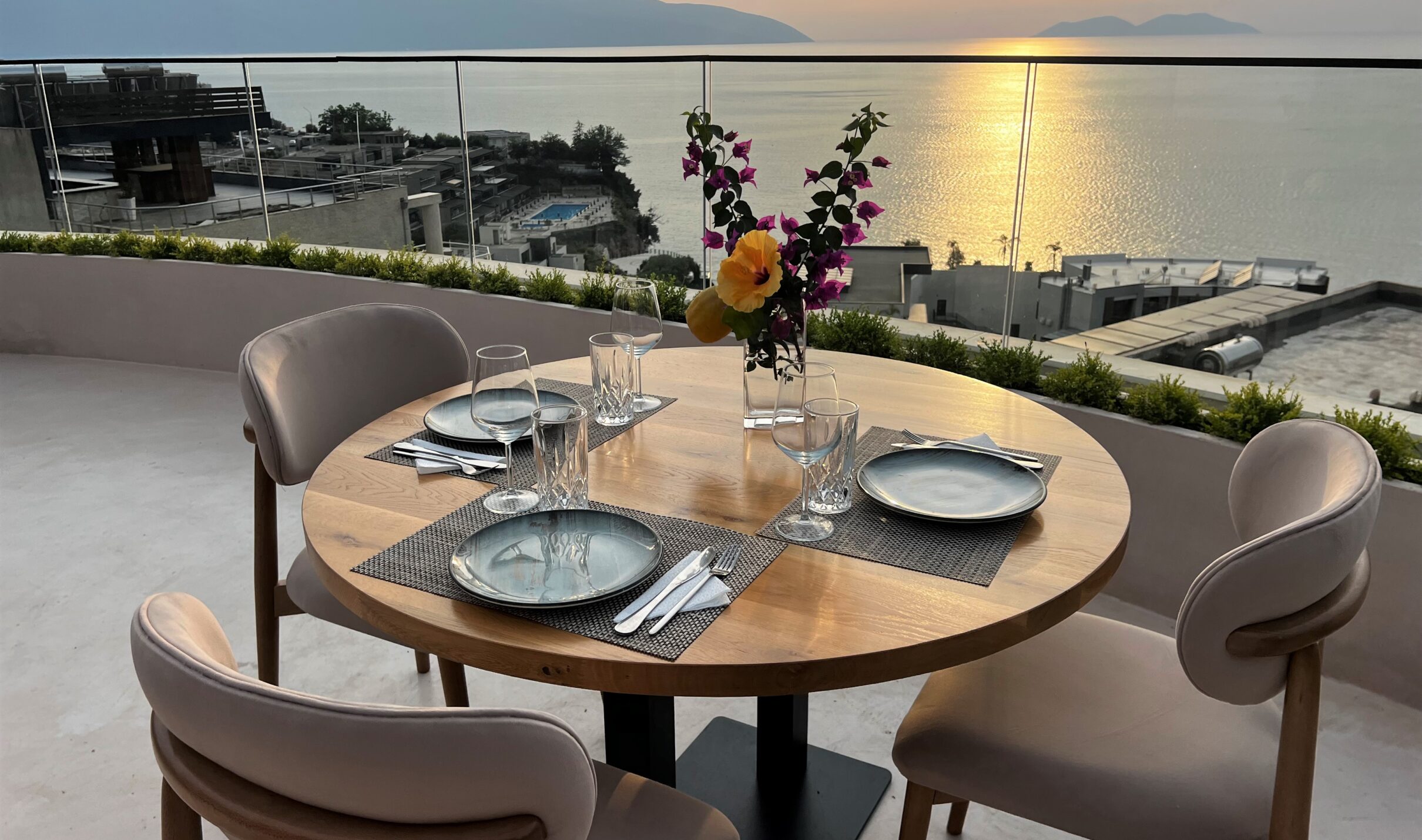
They may arrive before sunset, order a cocktail and watch the light change over the Bay of Vlora before choosing what to eat. The work behind the menu should not require a long explanation at the table. Ideally, the season is experienced through the food.

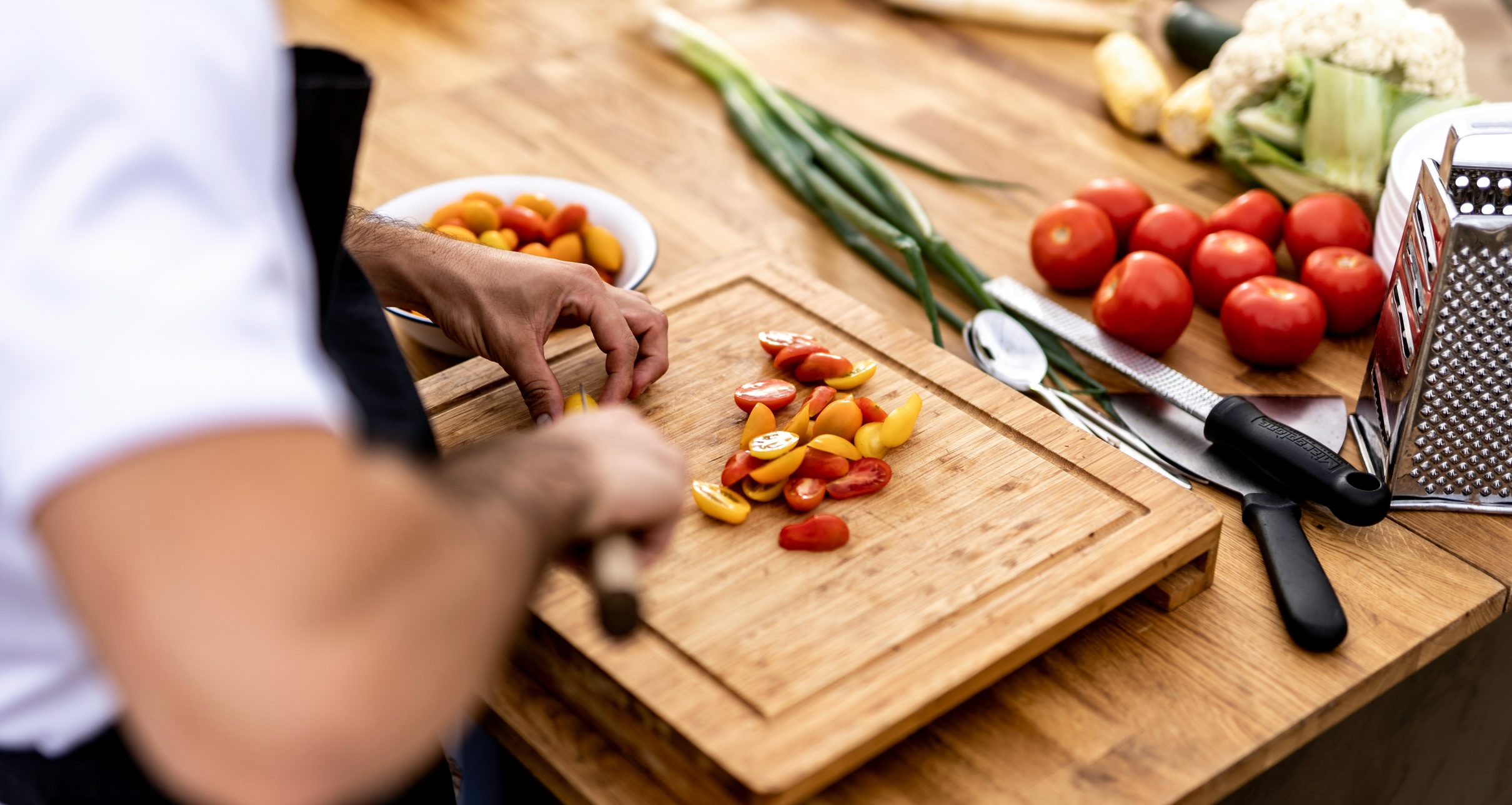
It can be a tomato that actually tastes of tomato, herbs with enough aroma to change a dish, vegetables that need very little intervention, seafood treated with restraint, or a plate with enough acidity and freshness for a warm August evening.

The guest does not need to know every decision that produced that result. The kitchen does.

Slow Food Is Also About Respecting Time

Eden by Valza’s connection with Slow Food in Vlora naturally includes local products and regional identity, but seasonality adds another dimension: time.

Food has agricultural time, biological time and cooking time. A tomato needs time to ripen. Seafood follows conditions a restaurant cannot control. A herb has a moment when its aroma is strongest. A stock needs time to develop flavour. Octopus needs time to become tender before the grill can give it its final character.

Modern hospitality often tries to remove these differences in the name of permanent availability. A seasonal kitchen accepts some of them, not because inconsistency is desirable, but because good ingredients cannot always be separated from the conditions that make them good.

One Rooftop, Different Moments of the Season

Eden itself follows the warmer part of the year in Vlora, from May into the beginning of October. That gives the restaurant a natural culinary arc.

In May, sunset arrives over a landscape still carrying something of spring. By June, the evenings stretch longer and summer produce begins to define the table.

July and August bring the full intensity of the Albanian summer. The rooftop fills later, the temperature remains high after sunset and the rhythm of dinner changes with it.

September is different again. The light softens, evenings become calmer and the transition towards autumn begins without the coast suddenly losing its summer character. By the final weeks of the Eden season, sunset arrives noticeably earlier than it did in July.

It is the same rooftop, but it is not quite the same dinner.

A restaurant does not need to reinvent itself at every stage. 

What time should I reserve Eden for sunset?

Check the sunset time for the date of your visit and aim to arrive approximately 30 to 45 minutes earlier. This allows enough time to be seated and begin the evening before the light changes.

Is Eden better on weekdays or weekends?

Weekdays generally offer a calmer atmosphere and may provide more flexibility. Weekends are livelier and usually require earlier booking, especially during July and August.

Can I visit Eden after sunset?

Yes. Later reservations are well suited to guests who prefer dinner, conversation and the rooftop atmosphere after dark rather than the complete sunset transition.