An ancient castle with churches inside, a sea cave used in prehistory and the clear water of the Ionian.
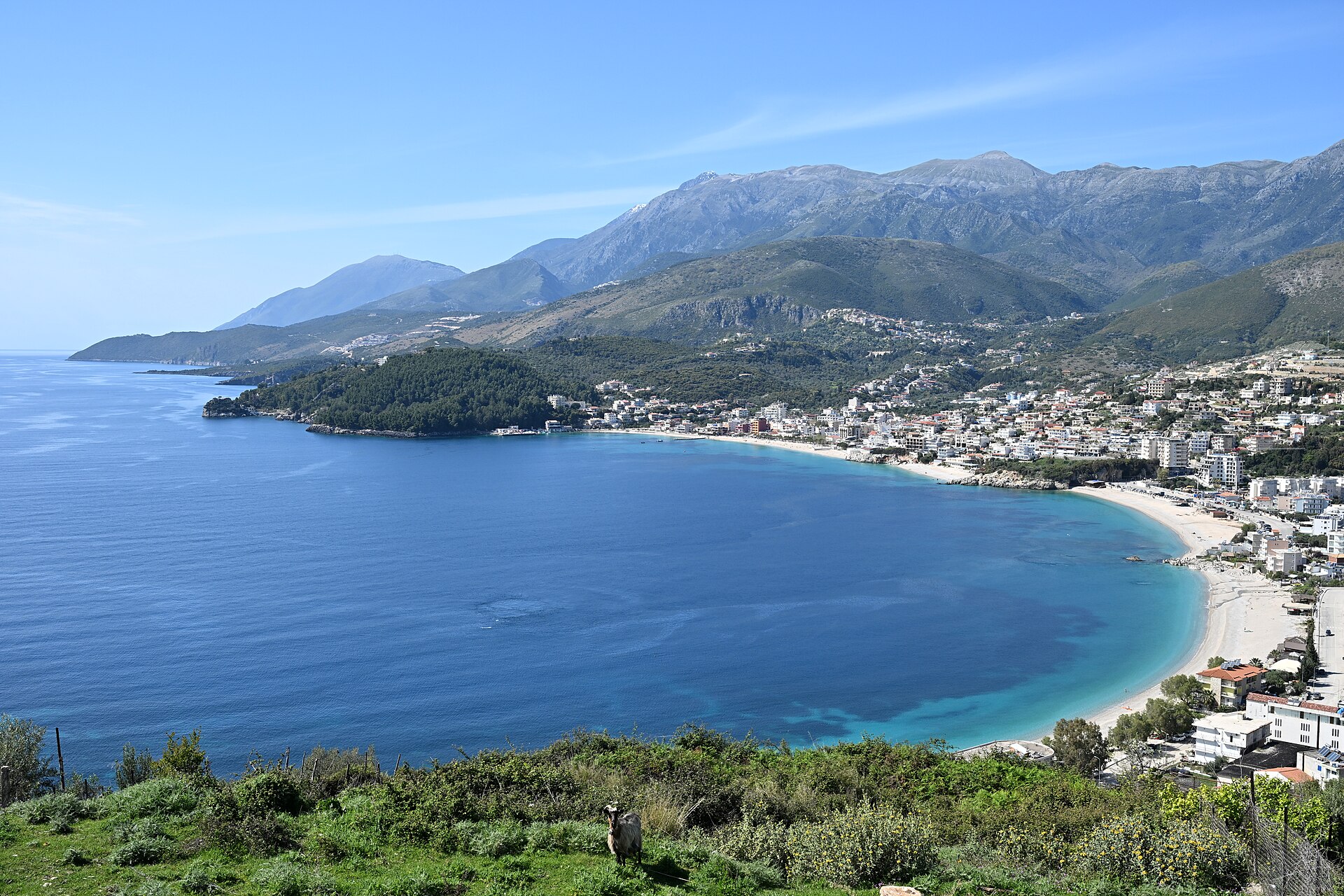
Himarë is an Ionian town about 70 km from Vlorë on the SH8, over the Llogara Pass, with an ancient castle on the hill above it. Churches stand inside the walls, a sea cave on the shore was used in prehistory, and Livadhi beach lies just north. It makes a full day, best from late spring to early autumn.
From ancient Chimaira to a sunset on the walls
Cross the Llogara Pass, wind down through Dhërmi, and the Ionian Sea keeps you company all the way to Himarë. The town is believed to have been founded by the Chaonians, one of the peoples of ancient Epirus, as Chimaira, and its story begins on the hill above the modern town, inside the castle.
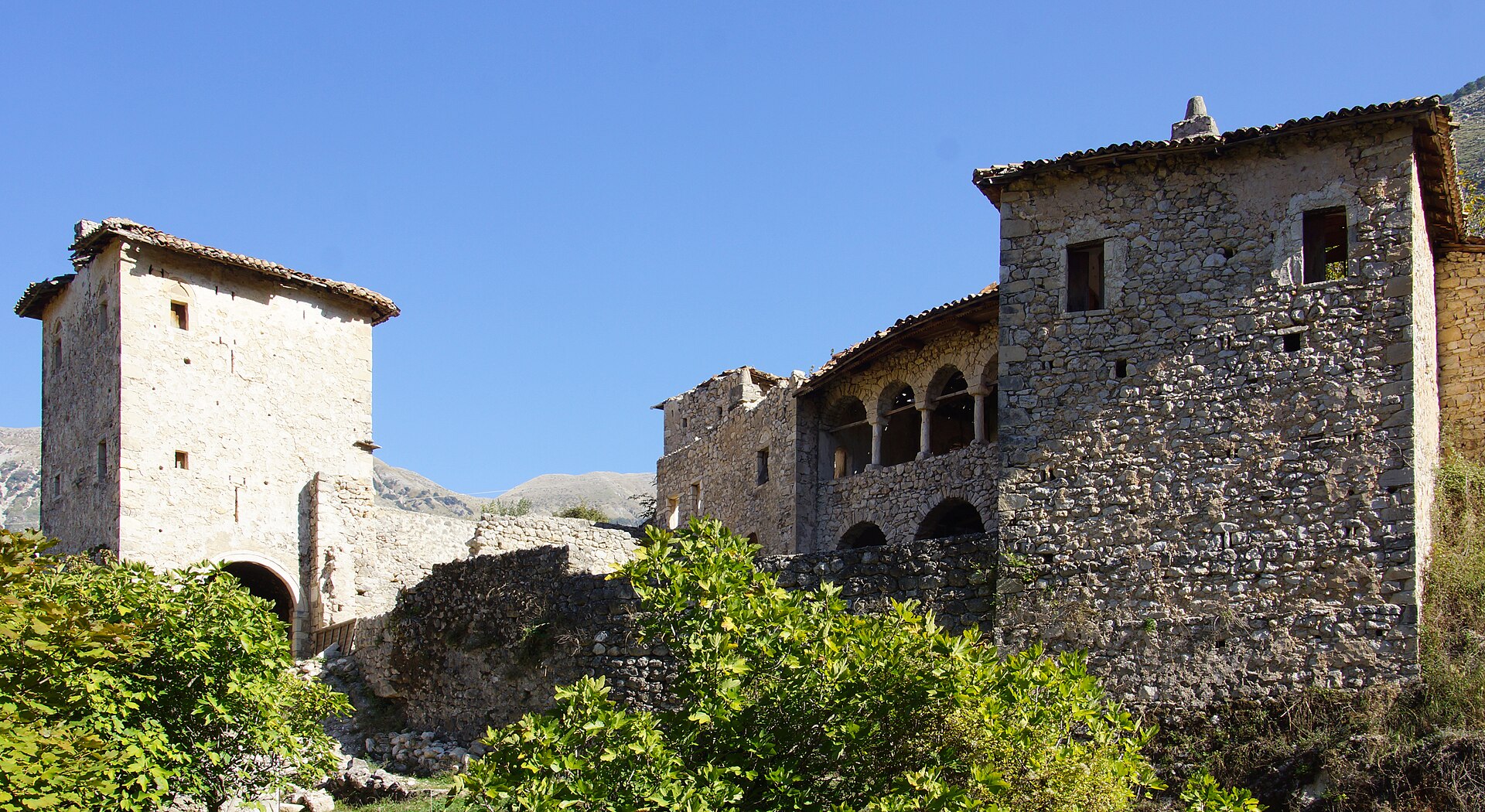
Its ancient walls probably date from the 5th–4th centuries BC, and over the centuries it was held by Romans, Byzantines, Venetians and Ottomans. Wander in and you find churches tucked within the walls: Panagia Kassopitra, where part of the ancient wall still stands; All Saints; and St Michael, built in the 13th century.
If you are travelling as a couple, save the castle for the end of the day. Bring a bottle of local wine and a glass for each of you, find a quiet spot together on the old walls, and let the evening come to you. As the sun sinks into the Ionian, the sea below turns from blue to silver to gold, and the horizon seems to go on forever. There are few more romantic places on this coast to watch the day end, side by side.
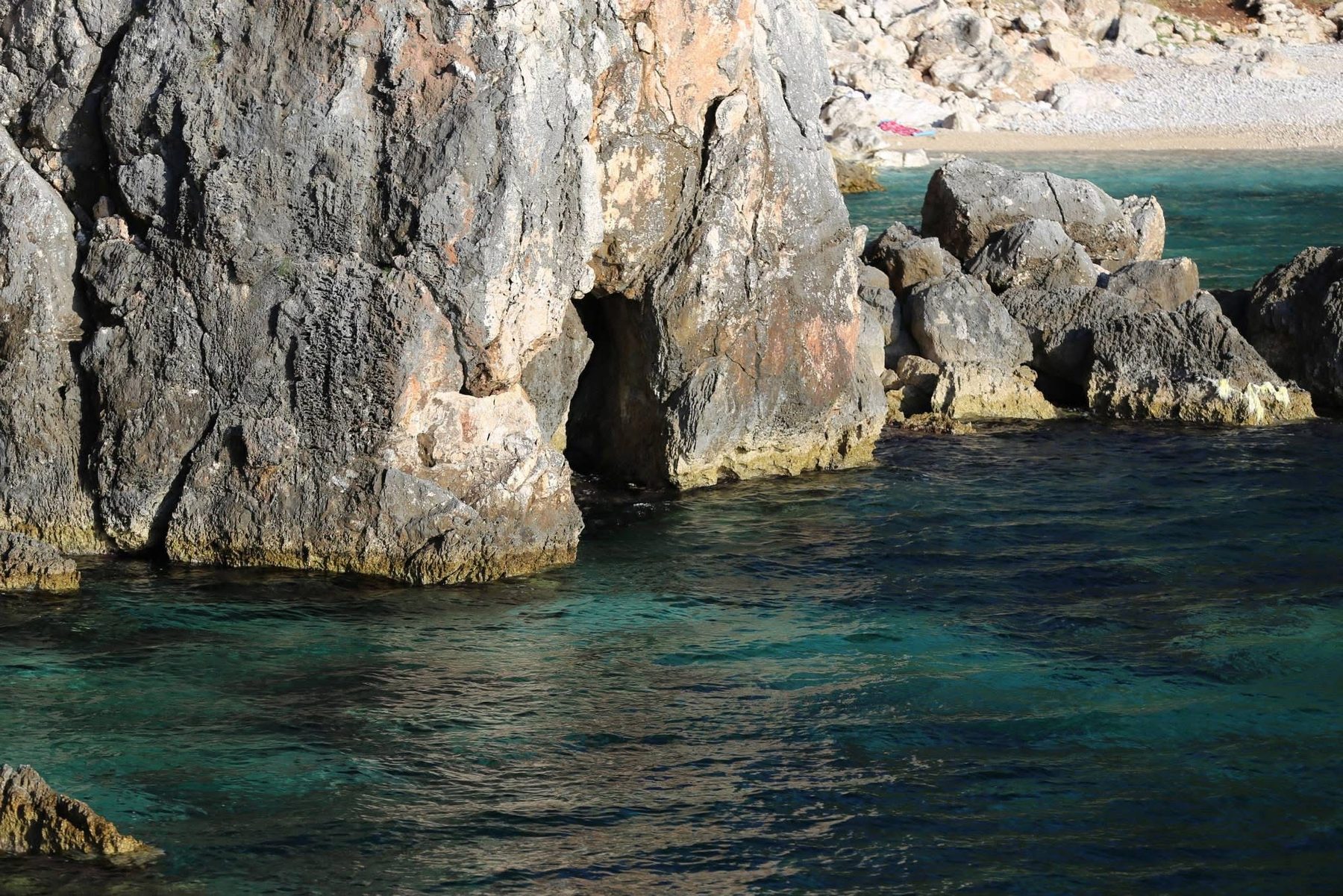
Down on the shore, Spile Cave was carved by the waves into the limestone and is protected as a natural monument; finds of stone tools and pottery show that people sheltered here in prehistory. Just north of town lies Livadhi, a long beach of clear Ionian water, and about 10 km south, the fortress of Porto Palermo, built in 1804 for Ali Pasha of Tepelena, sits on a narrow peninsula in its bay.
End the day with fish by the sea: choose among the restaurants with the best reviews.
What you’ll see
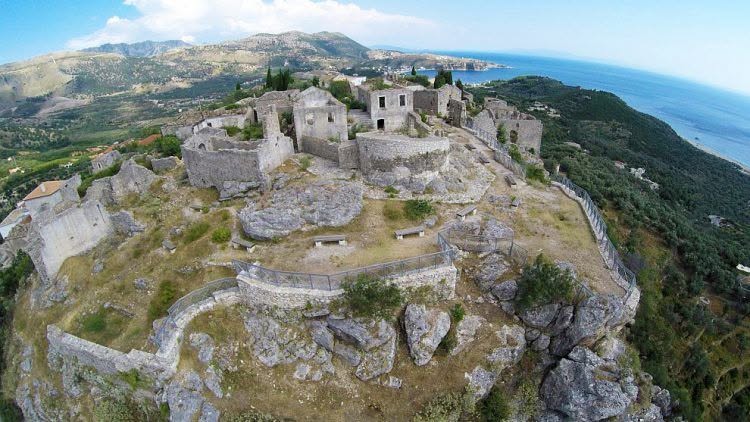
The castle on the hill
Ancient walls that probably date from the 5th–4th centuries BC, held over the centuries by Romans, Byzantines, Venetians and Ottomans.
-
Churches within the walls
Panagia Kassopitra, where part of the ancient wall still stands; All Saints; and St Michael, built in the 13th century.
-
Spile Cave
Carved by the waves into the limestone and protected as a natural monument; stone tools and pottery show that people sheltered here in prehistory.
-
Sunset on the old walls
For couples: bring a bottle of local wine and watch the sea turn from blue to silver to gold as the sun sinks into the Ionian.
Himarë from prehistory to Ali Pasha
- Prehistory
People shelter in Spile Cave: finds of stone tools and pottery show it.
- 5th–4th centuries BC
The ancient walls of the castle probably date from this time.
- 13th century
St Michael, one of the churches inside the walls, is built.
- 1804
The fortress of Porto Palermo, about 10 km south, is built for Ali Pasha of Tepelena.
Himarë in numbers
-
70 km
From Vlorë on the SH8, over the Llogara Pass
-
5th–4th century BC
The probable age of the castle walls
-
13th century
The Church of St Michael inside the walls
-
3 churches
Within the castle: Kassopitra, All Saints, St Michael
Where it is
On the Ionian coast, about 70 km from Vlorë on the SH8 over the Llogara Pass; Livadhi beach lies just north of town and the fortress of Porto Palermo about 10 km south.
What to bring
- Swimwear: Livadhi’s long beach of clear Ionian water
- Towel: for a swim after the castle
- Sun cream: for a full day out on the coast
- Modest clothing: churches tucked inside the castle walls
- Sturdy shoes: for the old castle walls
- Wine and glasses: for sunset on the old walls
- Light jacket: for the evening on the walls
Is it worth it?
Yes, if…
you want a full day with history, a long beach of clear water and fish by the sea, or a couple’s evening on the old walls at sunset.
Maybe not, if…
you are short of time: the drive alone is about two hours without stops, so the trip is best kept for a full day.
Check current prices and opening times before you go.
Combine it with
Continue exploring
More places and ideas for your days around Vlorë:
- Himarë travel guide
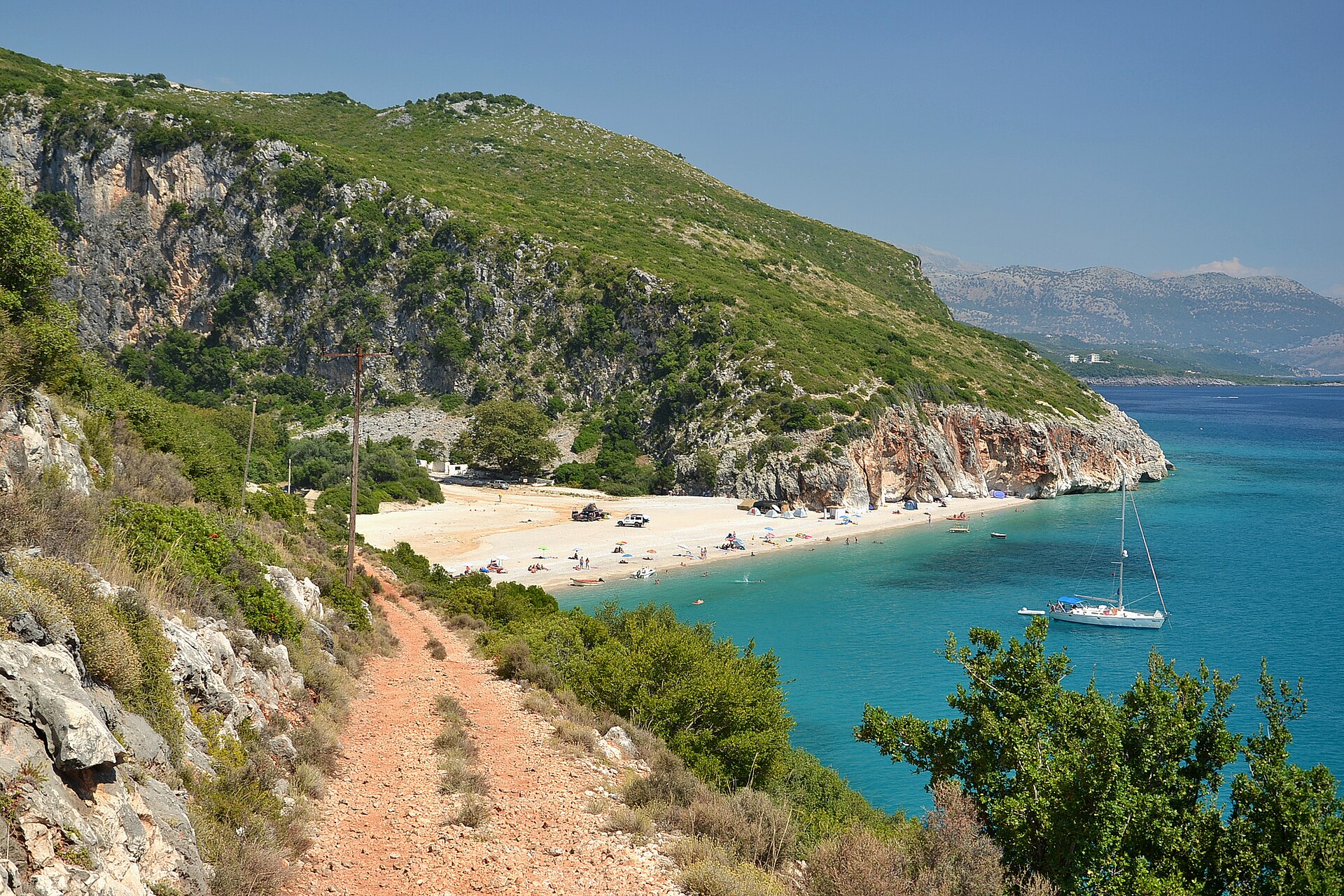
- Gjipe, the canyon and the beach no road reaches
- All attractions around Vlorë
- A complete Riviera itinerary from Vlorë to Himarë
- Archaeological sites in Vlorë: Amantia, Orikum, Kanina and ancient Aulona
- Where to stay in Vlorë: our complete guide