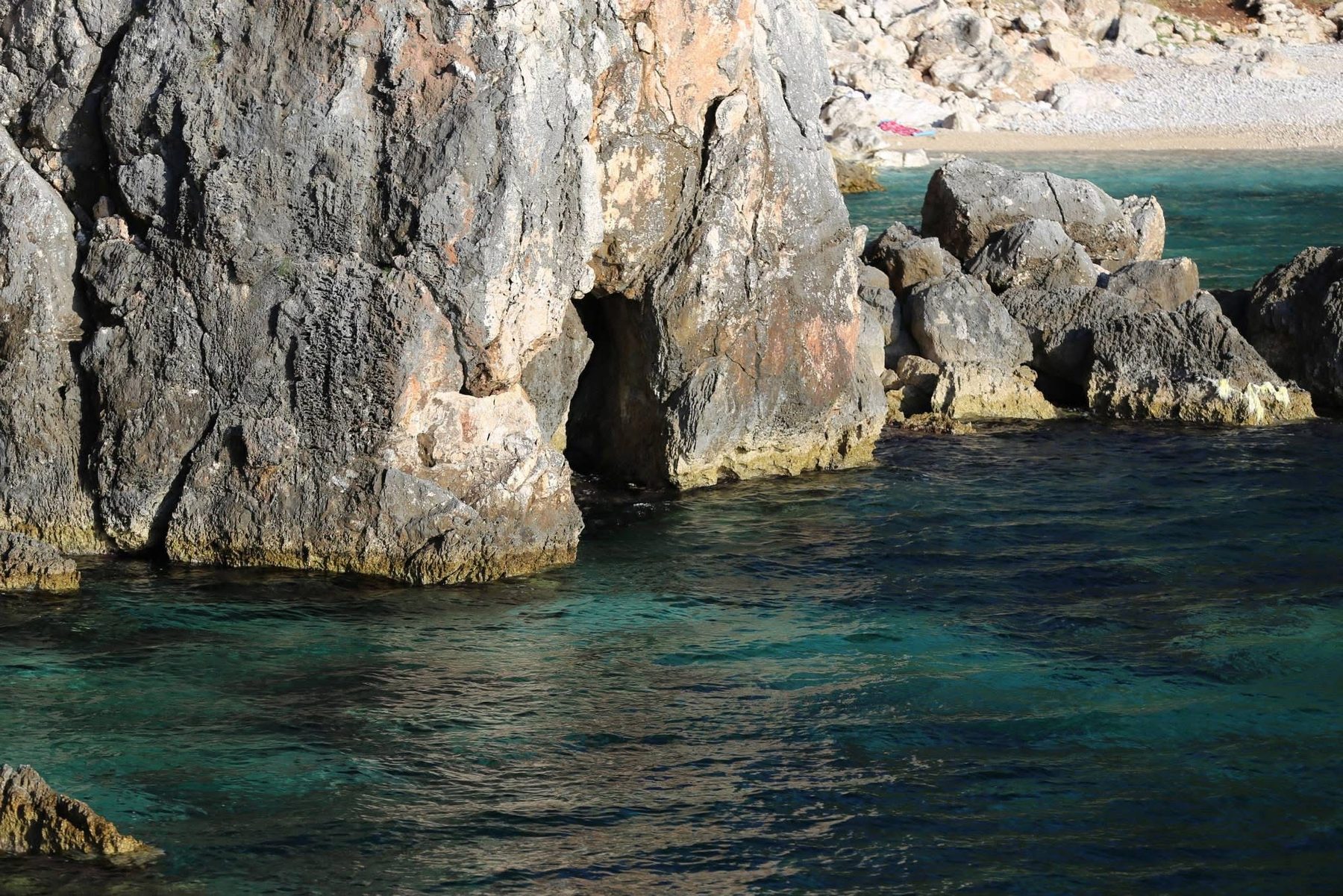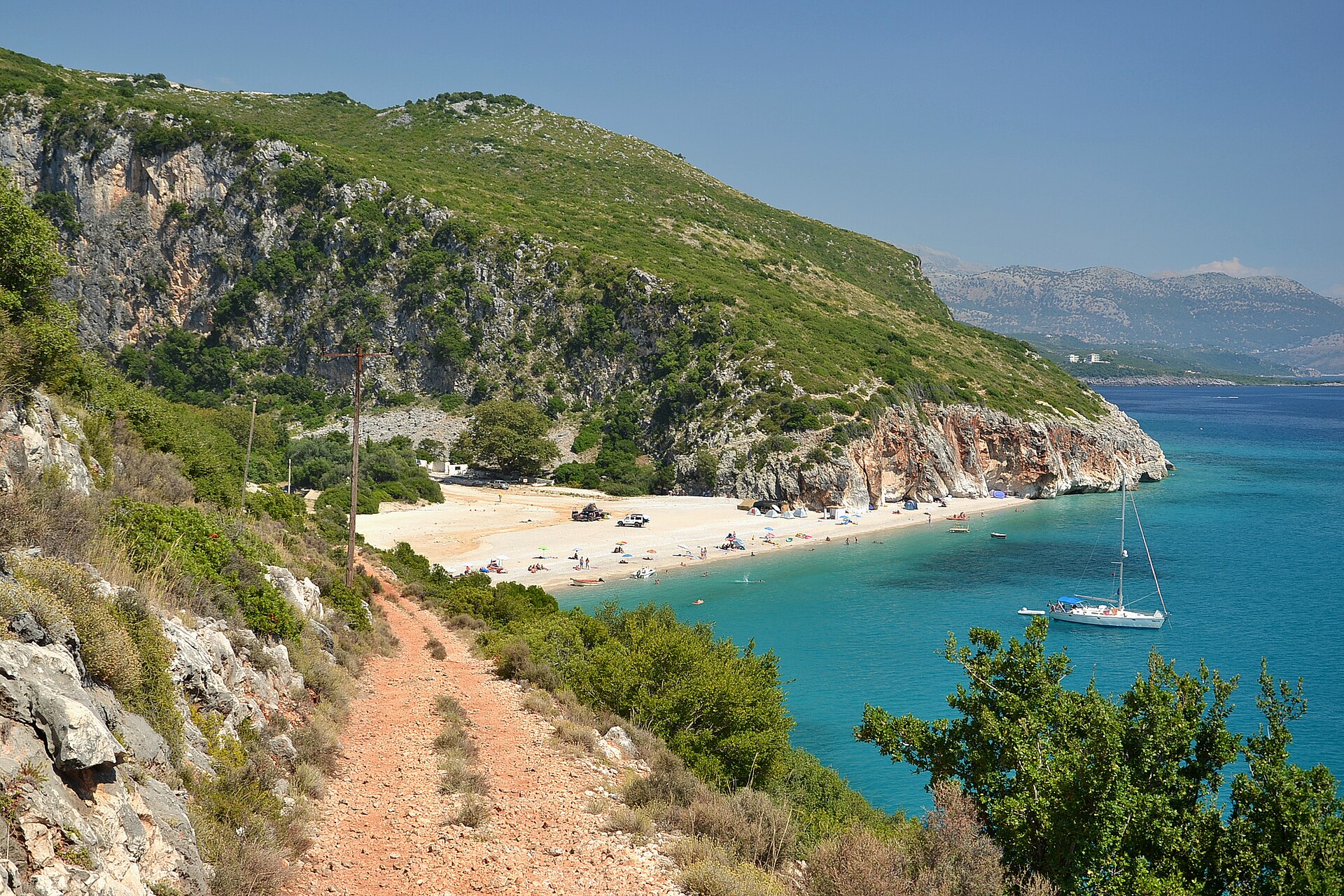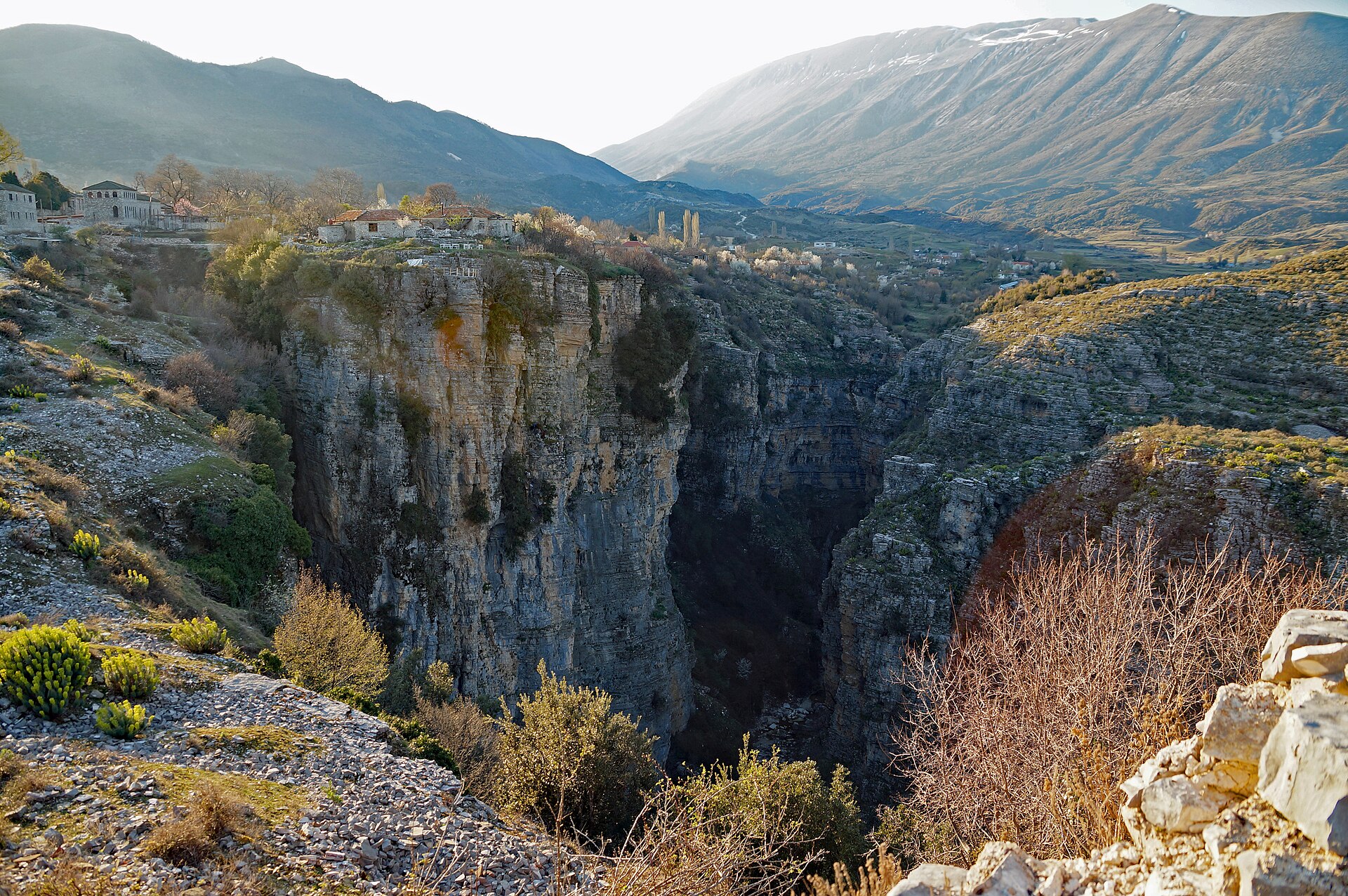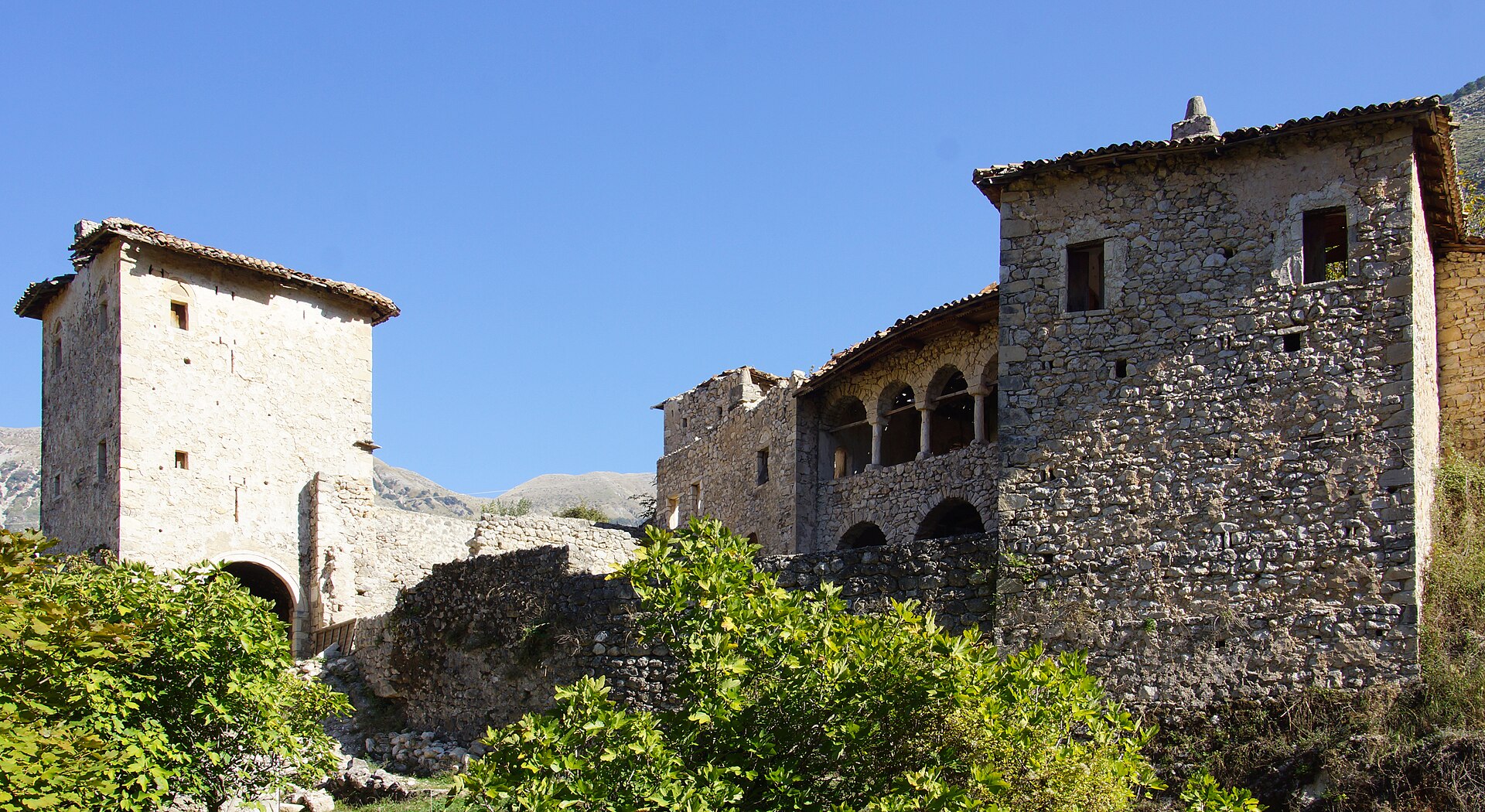
Two kinds of “kula” at the foot of Llogara: a fortified house of the 19th century, and burial mounds thousands of years older.
Dukat is a mountain village on the road from Vlorë to Llogara, about 40 minutes from Valza. Above the old village stand the stone towers of Dervish Ali, a fortified family home with arched loggias, protected as a Cultural Monument. Down in the valley, near Dukat i Ri, lie prehistoric burial mounds excavated by Albanian archaeologists in 1973–74.
Who built a fortress for a family?
The towers of Dervish Ali rise on a slope above Dukat, reached by a footpath of about a kilometre from the village. They are not a castle but a kullë complex: tall stone houses built for defence, joined by courtyards and an upper floor of open loggias, where thin stone columns carry round arches under a wooden roof. From there the view runs down the green valley towards the bay.
The family took its name from Dervish Ali, a local leader who, according to the regional tourism portal, led the revolts of 1847–48 against the Ottoman Tanzimat reforms. The same source says craftsmen from Ioannina built the house; other sources place it in the late 18th or early 19th century, and the exact date is not settled.
The complex was declared a Cultural Monument in 1979. A stone plaque at the site records a restoration by the Institute of Cultural Monuments, Berat branch, in 1977–78. Since the 1990s upkeep has stopped, and Albanian media have reported roofs and floors falling in. That is part of the strange beauty of the place: plastered rooms, fallen beams and the old loggia still holding the view.
The older “towers” of Dukat
In Dukat the word kula also names something much older. “Kula e Ibros”, at the foot of Mount Mentuç near Dukat i Ri, is not a tower but a burial mound, about 2 metres high and 8 to 10 metres across. When the road works of 1973 threatened it, archaeologists Neritan Ceka and Lefter Papajani excavated it in a rescue dig, and found that it had been raised in three phases of construction.
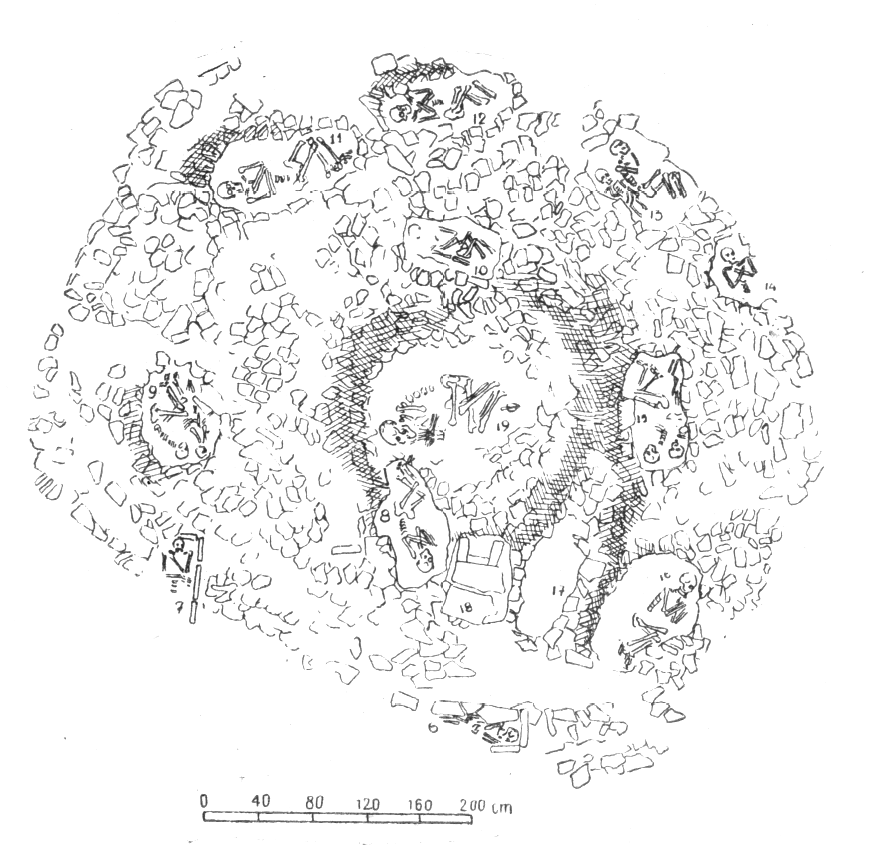
Two mounds of this cemetery survive, on both sides of the Vlorë–Himarë road at Dukat i Ri. Ceka excavated the first; archaeologist Namik Bodinaku excavated the second and published the full study. Together they cover a very long time, from the beginning of the Bronze Age to the end of the Iron Age. The finds are modest: pottery, weapons and small ornaments of a ritual character.
Dukat as a half day from Valza
Take the coast road south through Orikum and up the valley: about 29 km and 40 minutes to the towers. Park in the old village and walk up. The mounds are low, grassy and easy to miss: look for them beside the road at Dukat i Ri. Then drive on to the Llogara pass for the view over the Ionian Sea.
Our tip: stay in Dukat for lunch. The village has local places that serve roast lamb or kid, and parking is easy.
What you’ll see
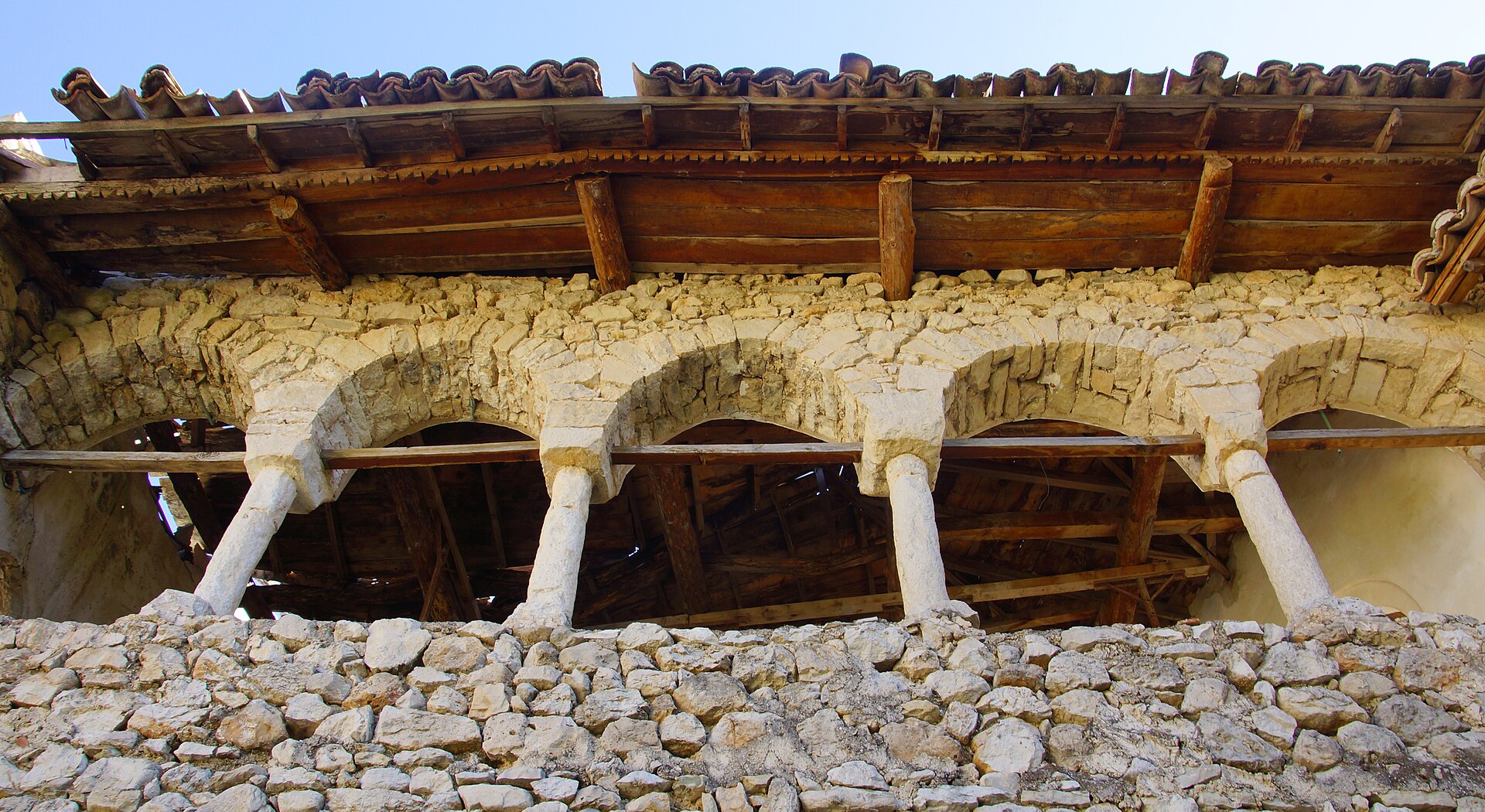
The stone arches
Heavy arches at ground level, built to keep the house safe.
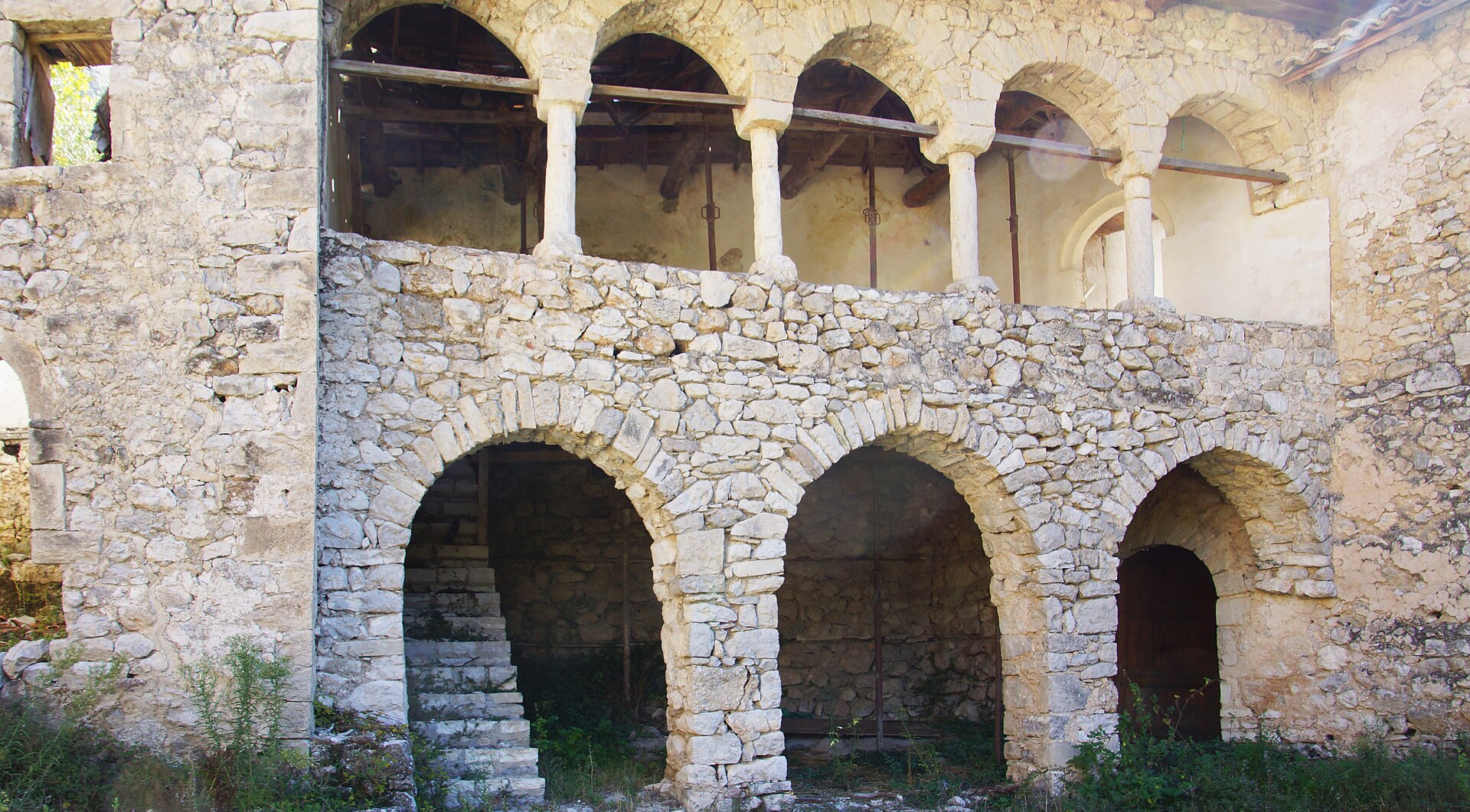
The loggia
Slim columns and round arches on the upper floor, open to the air.
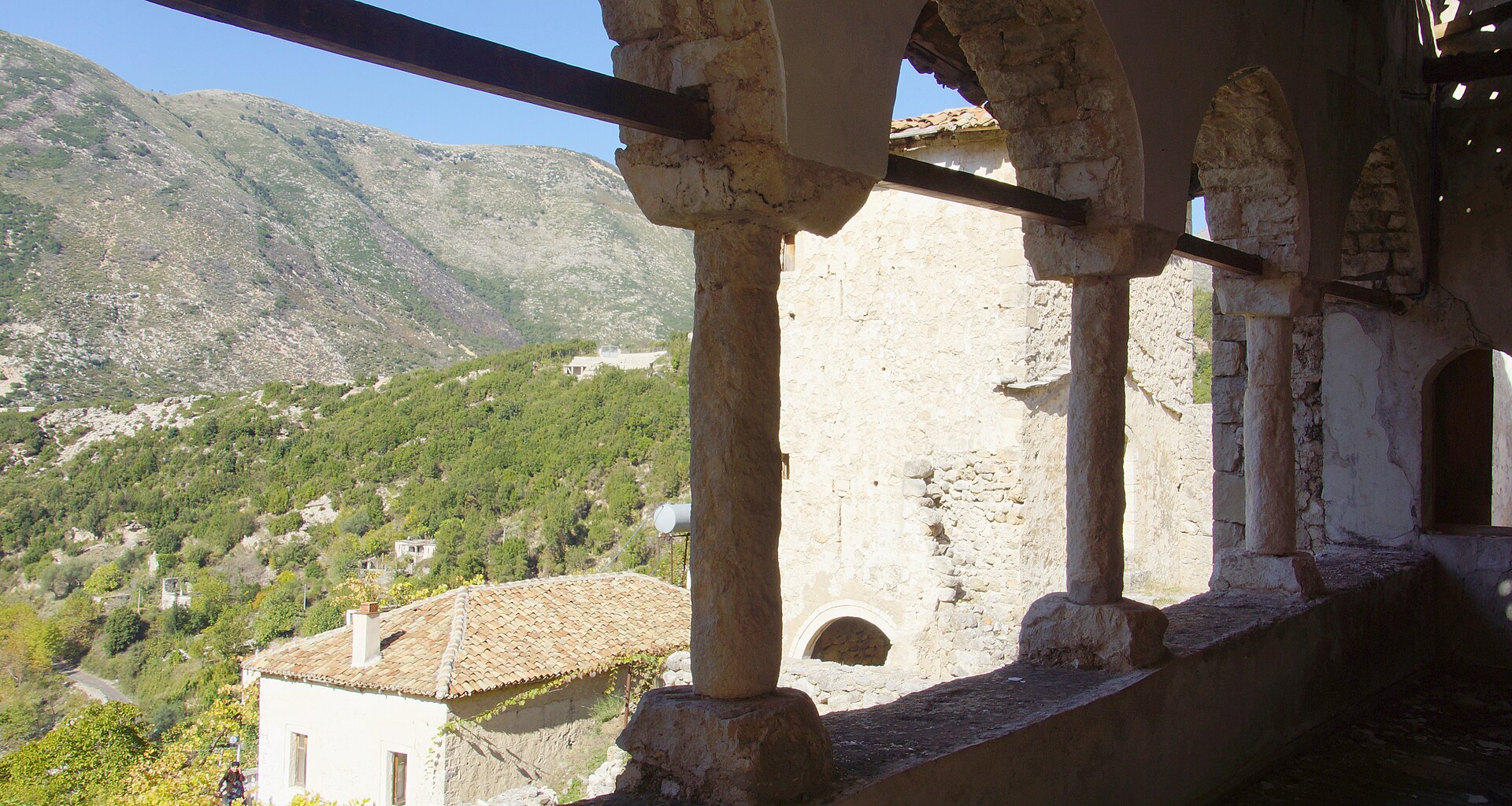
The view from inside
The valley framed between the columns, as the family saw it.
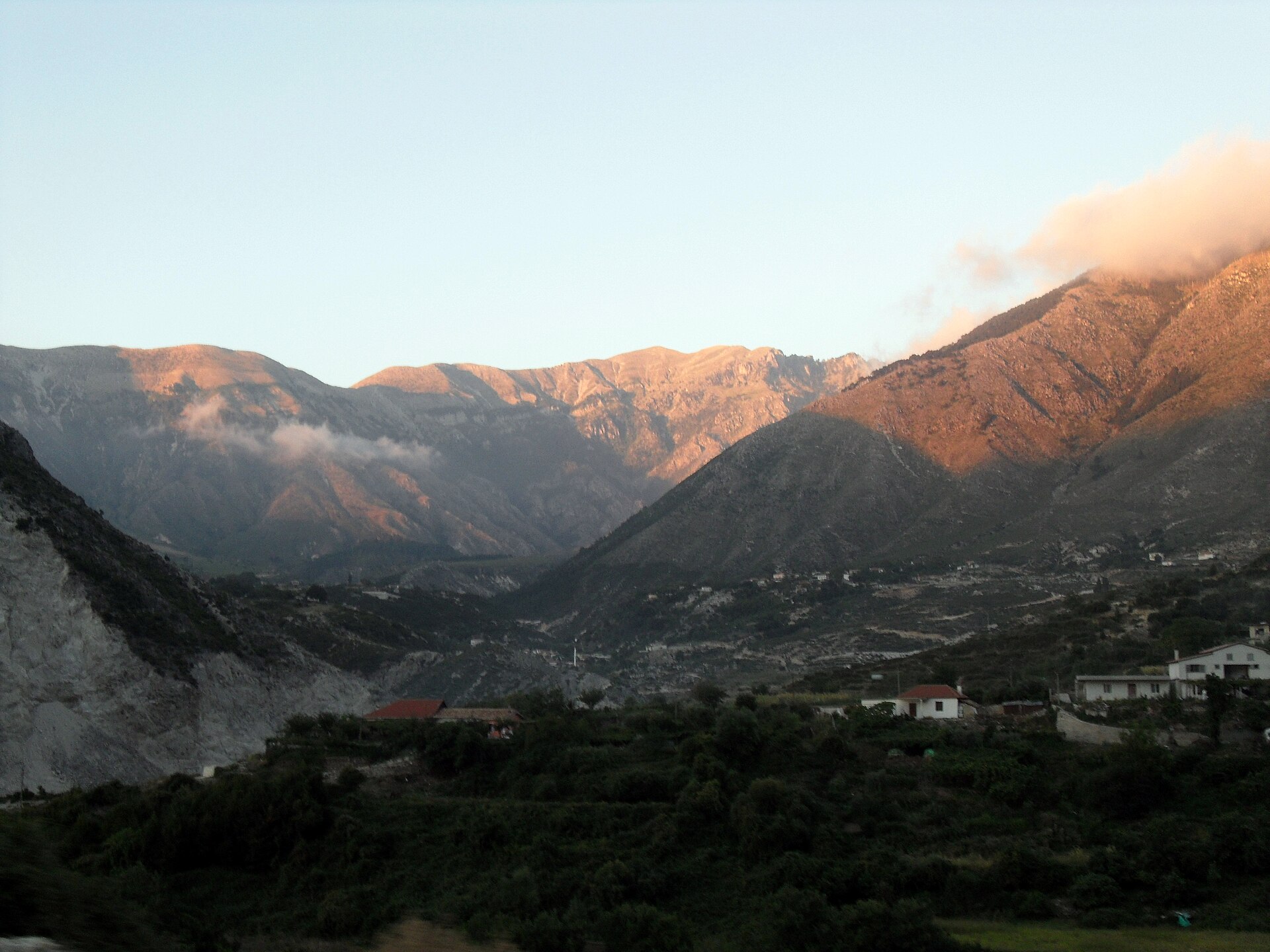
The valley of the mounds
Evening light on the mountains above the old burial ground.
Dukat in numbers
-
29 km
From Valza to the towers, about 40 minutes
-
8–10 metres
Across the burial mound of Kula e Ibros, about 2 metres high
-
3 phases
Of construction found in the 1973 excavation
-
1979
The towers declared a Cultural Monument
Where it is
In the Dukat valley, south of Orikum, at the foot of the Llogara mountains, in the municipality of Vlorë.
What to bring
- Walking shoes: the path to the towers is steep and stony
- Water: there is nothing to buy at the towers
- Camera: the loggia light is best early or late
- Light layer: the valley is cooler than the coast
- Sun hat: little shade on the way up
- Offline map: to find the path from the old village
Is it worth it?
Yes, if…
you like places with a story and no crowds, and you are already driving to Llogara.
Maybe not, if…
you expect a restored museum: the towers are in decay and the mounds are simple grassy hills.
Look, but take care: do not climb on damaged walls or floors.
Combine it with
Continue exploring
More places and ideas for your days around Vlorë:
- All attractions around Vlorë
- Porto Palermo Castle, further down the coast
- Where to stay in Vlorë: our complete guide