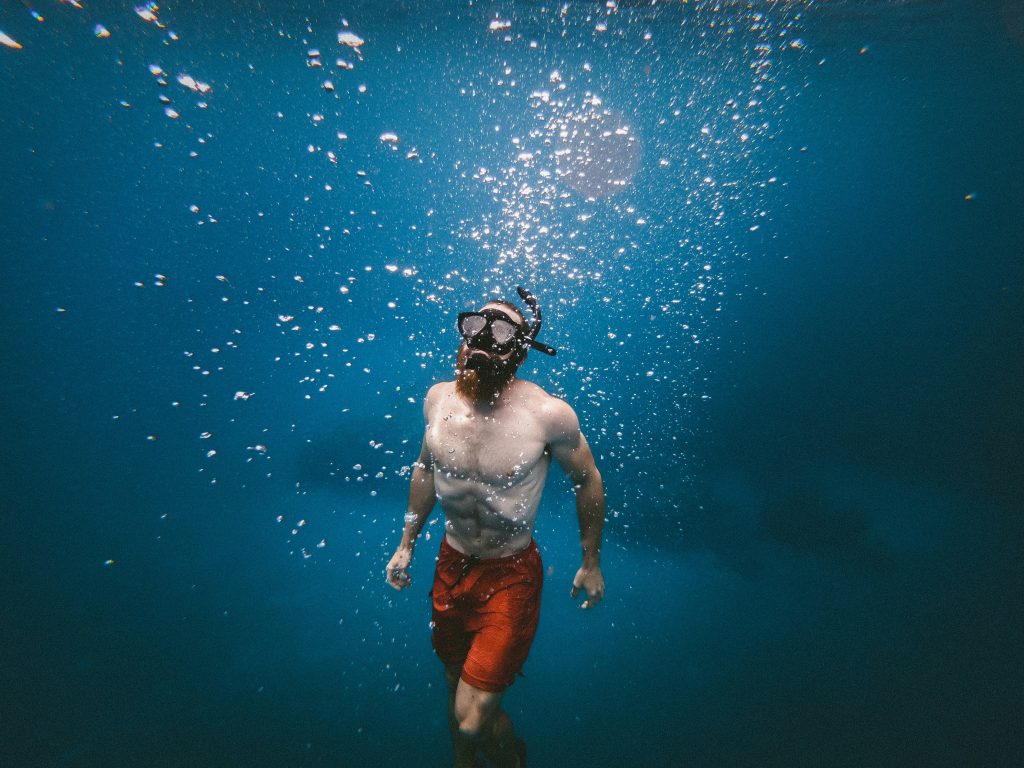
The first surprise comes before you see a single fish.
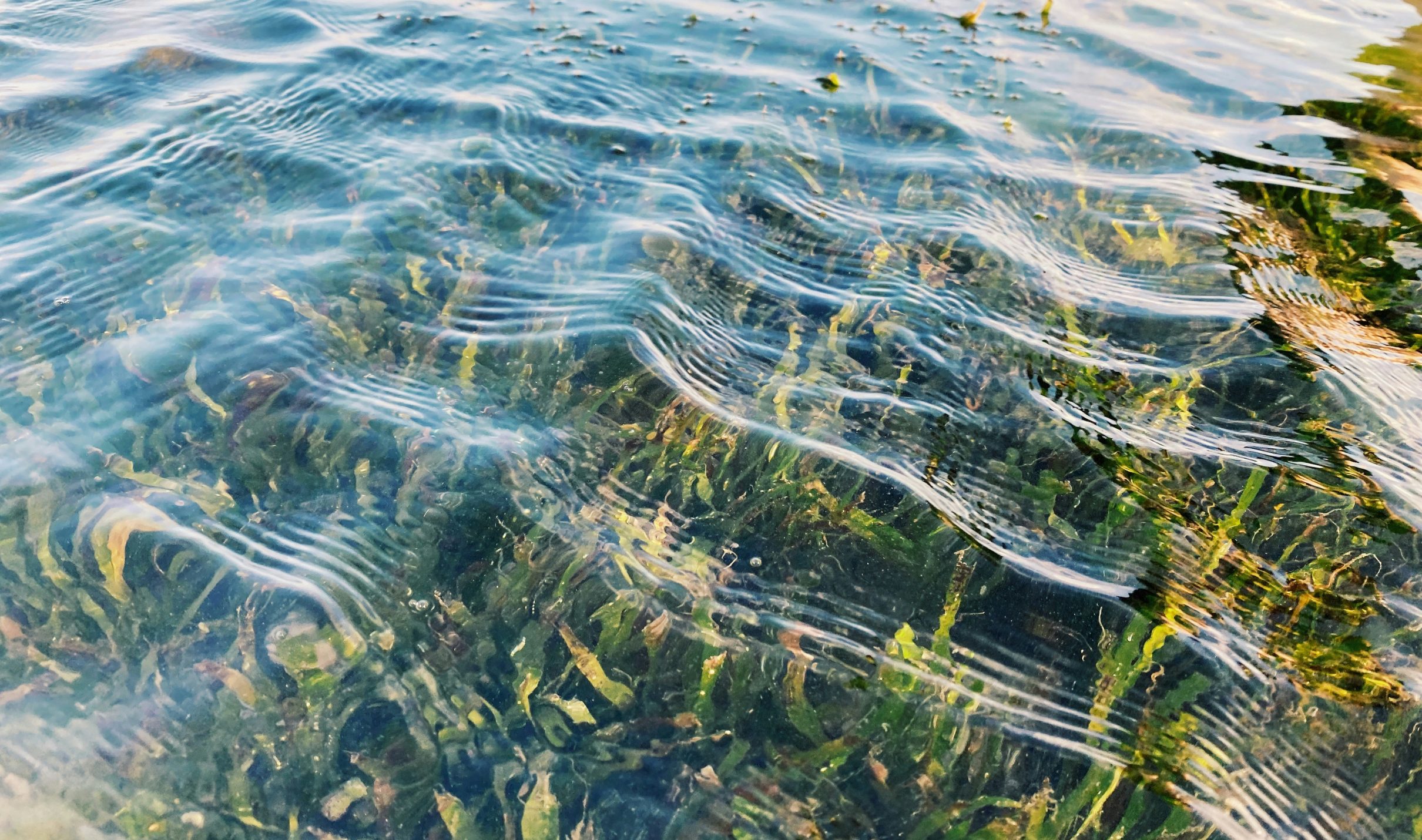
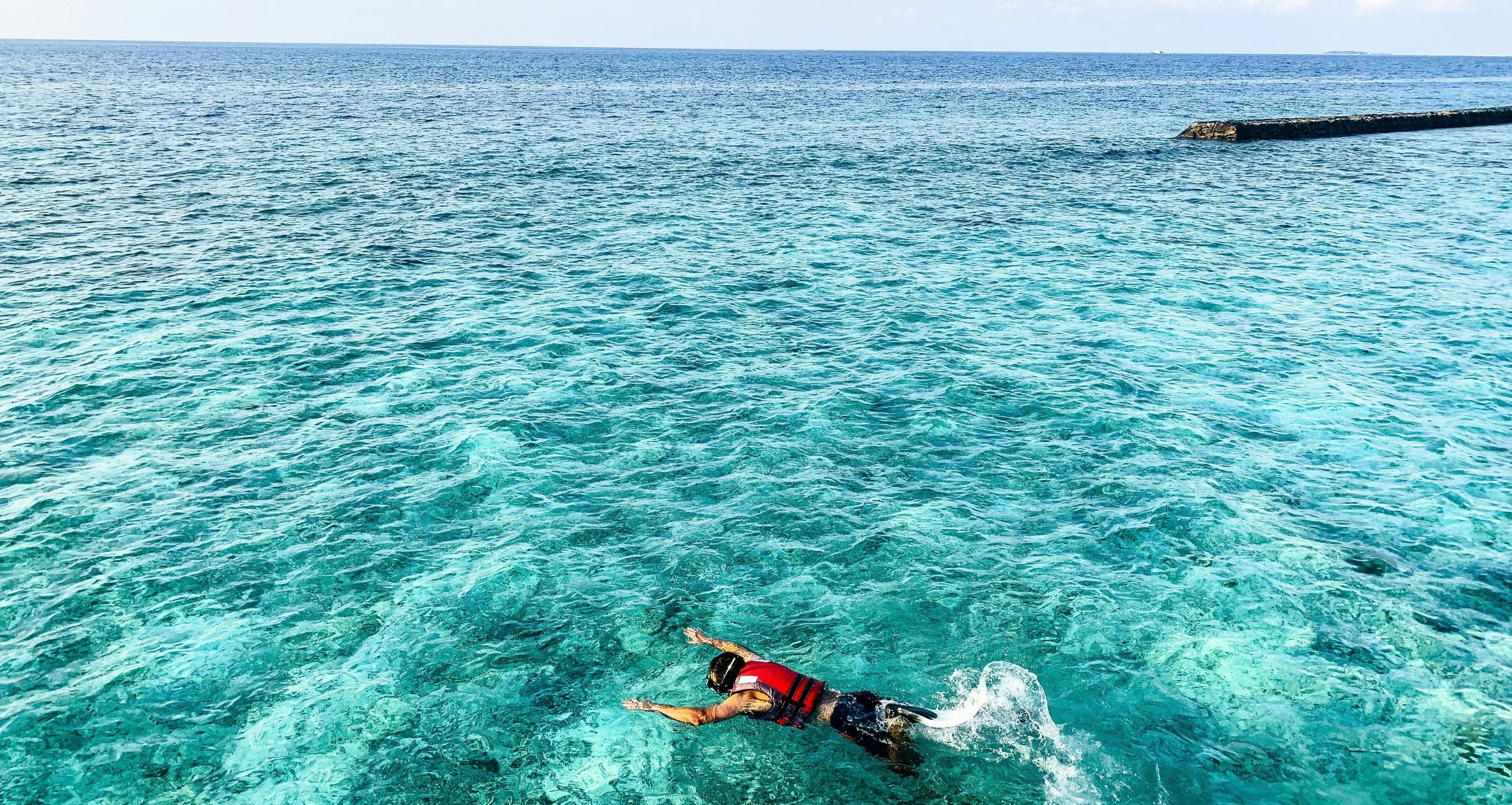
You lower your face into the water, take one slow breath through the snorkel, and the familiar coastline disappears. Voices from the beach collapse into a distant murmur. The weight of your body seems to change. Sunlight begins moving across the seabed in bright, restless ribbons, and a world that had been hidden beneath an ordinary blue surface suddenly comes into focus.
You may still be standing close enough to touch the bottom.
Nothing dramatic has happened. You have not boarded a boat, crossed the bay or descended into deep water. You have simply moved your eyes through the surface.
Yet the landscape has changed completely.
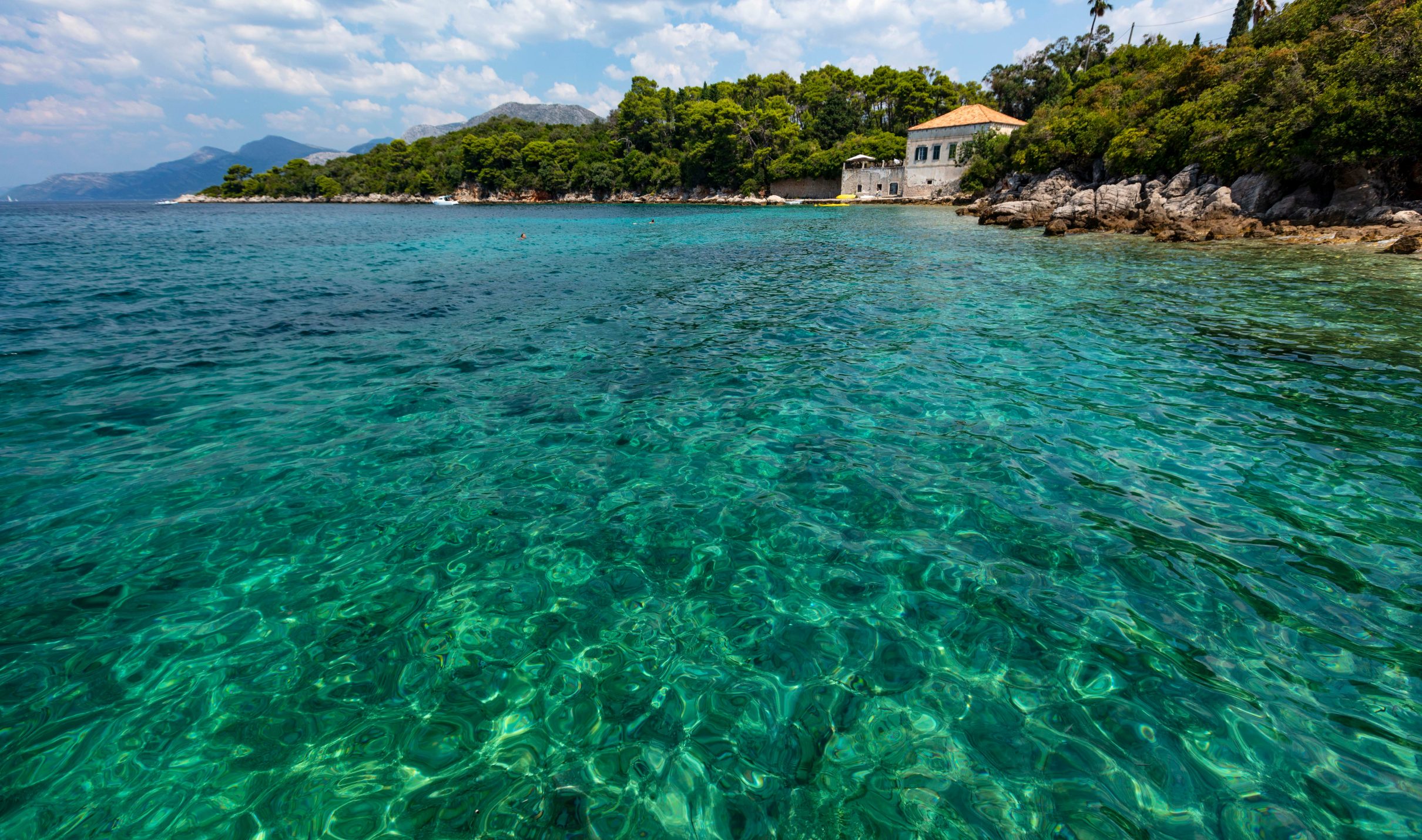
From the shore, the sea often appears to be one continuous field of blue. From below, it is divided into neighbourhoods. Bare rock is different from gravel. A narrow crack offers a different kind of shelter from an exposed ledge. Sand, shade, algae and seagrass each create their own conditions, and each attracts a different community of life.
This is the central revelation of snorkelling in Vlora:
The Mediterranean does not begin somewhere offshore. It begins only a few metres from the beach.
Crossing the Thinnest Border
The surface of the sea appears almost insignificant: a trembling line between air and water. Biologically, however, it separates two completely different worlds.
Above it, we move quickly, talk loudly and understand distance almost without thinking. Below it, colour changes, sound loses direction and every movement feels larger than it really is. A fin striking a stone seems close enough to touch. A school of fish can disappear with one turn. Even breathing becomes something you notice.
The first minute can feel unfamiliar. The mask narrows your field of vision, the snorkel changes the rhythm of breathing and the body initially tries to swim faster than necessary. Then something settles. The movements become slower. The breathing becomes regular. The mind follows.
That change is important because a hurried swimmer sees mainly water and rock. A patient snorkeller begins to see behaviour.
A fish does not simply pass; it leaves the open seabed and repeatedly returns to the same crevice. A sea urchin is not placed randomly; it occupies a protected hollow. A shadow beneath a ledge is not empty darkness but a possible refuge. The longer you float without chasing anything, the more the sea appears to reorganise itself around you.
Snorkelling is therefore more than a way of looking underwater.
It is a lesson in attention.
A Coast Made of Underwater Rooms
The Bay of Vlora contains far more variety beneath its surface than its broad shape suggests. Scientific assessments describe a coastline formed from rocky shores, small gravel beaches, sandy and muddy bottoms, underwater rock habitats, caves and seagrass beds. Along the Karaburun–Sazan marine area, these environments form a mosaic rather than one uniform seabed.
That mosaic explains why even a short swim parallel to the coast can feel like a journey through several landscapes.
Near the beach, rounded stones move quietly beneath the wash of small waves. A few metres farther out, the bottom may become solid rock, broken into terraces and narrow openings. Pale surfaces exposed to the sun support a different community from the shaded undersides of ledges. Where rock gives way to sand, outlines soften and animals become more difficult to recognise because many carry the colours of the ground beneath them.
The most interesting route is therefore not always the one leading directly towards deeper water.
It is often the line where one habitat becomes another.
Follow the edge between rock and sand. Look beneath the point where sunlight gives way to shadow. Watch where small stones meet a solid ledge or where open seabed becomes vegetation. Every boundary offers more choices: somewhere to feed, hide, hunt or escape.
Five metres of thoughtful snorkelling can cross more ecological borders than a much longer swim over a uniform bottom.
The First Fish Sees You First
Beginners often enter the water expecting fish to appear immediately in front of the mask.
At first, there may seem to be nothing.
Then the eyes adjust.
A movement separates itself from the stone. Several tiny fish become visible where seconds earlier there appeared to be only reflected light. A darker shape leaves the shadow of a ledge. A silver group turns at the same instant, briefly catching the sun before disappearing against the seabed.
The animals were already there.
You were simply not yet capable of seeing them.
Shallow-water fish detect movement, vibration and changes in shadow. Long before a snorkeller notices them, they have usually noticed the snorkeller. Chasing them only confirms that you are something to avoid.
Stop kicking. Float quietly. Let your arms rest beside you.
After a short time, the fish begin returning to their normal paths. Some graze close to the rock. Others hold their position against a faint current. Small groups move repeatedly between open water and shelter, following routes that become visible only when the observer stops interrupting them.
A familiar transformation then occurs. A child who was reluctant to put their face in the water no longer wants to lift it. An adult who entered for a quick swim remains motionless for twenty minutes, absorbed by fish no longer than a hand.
The discovery may be small.
The emotional shift is not.
An entire world has been continuing beside the beach without waiting for us to notice it.