The ancient city where the young Augustus was studying when he heard that Caesar was dead.
Apollonia is an ancient city founded around 600 BC by colonists from Corinth, now an archaeological park, designated in 2003. In 44 BC the young Octavian, the future Emperor Augustus, was studying here when he learned that Julius Caesar had been murdered in Rome. Plan a full day, together with Ardenica Monastery.
The student who heard the news
Imagine being eighteen, far from home, and receiving the news that will change your life and the history of the world. That is what happened here in 44 BC, when the young Octavian, the future Emperor Augustus, was studying in Apollonia and learned that Julius Caesar had been murdered in Rome. He left for Italy, and the rest is history.
By then Apollonia was already old. It was founded early in the 6th century BC, around 600 BC, by colonists from Corinth and Corfu, about 200 of them according to ancient tradition, led by Gylax, and first named Gylakeia after him before being renamed for Apollo. Cicero called it “magna urbs et gravis”, a great and important city. Its luck turned in the 3rd century AD, when an earthquake shifted the course of the Vjosa and silted up its harbour.
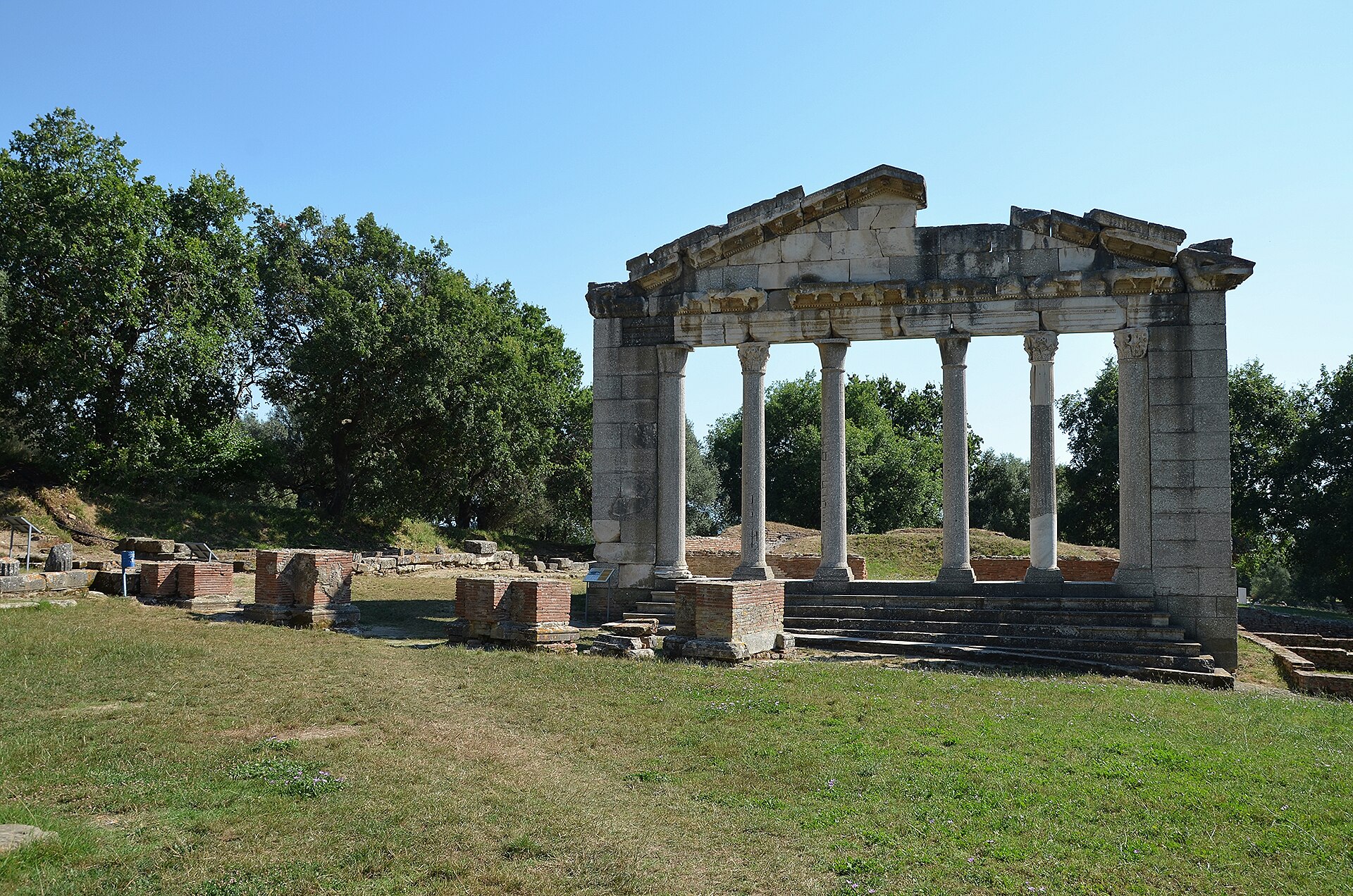
Today it is the Archaeological Park of Apollonia, designated in 2003, and the place to linger is the Monument of the Agonothetes, the 2nd-century BC council house with its ten rows of seats, alongside the odeon and the Hellenistic theatre. The museum is in the monastery of St Mary beside the ruins.
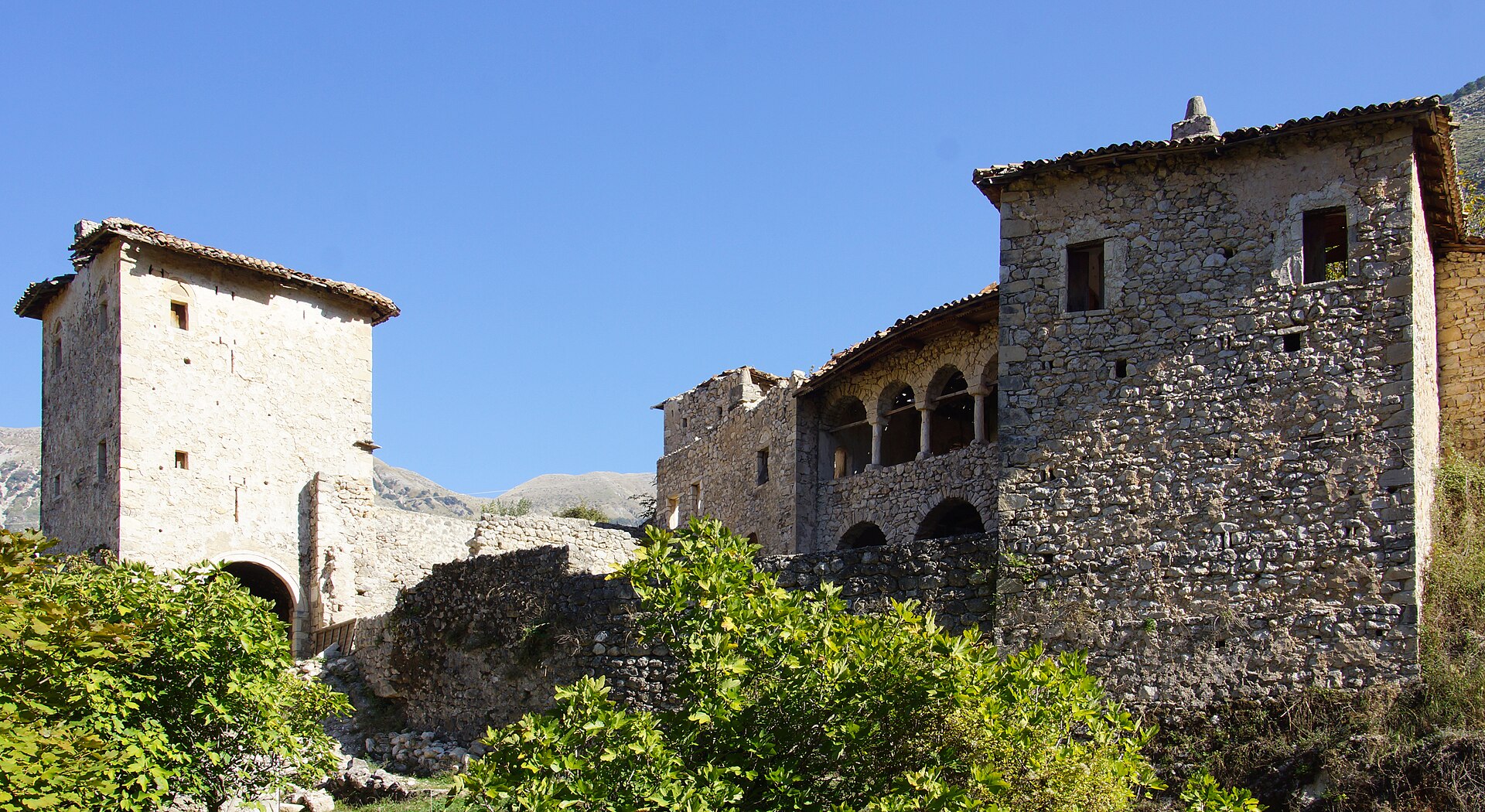
Make a day of it with Ardenica Monastery, north of Fier. Tradition says it was founded in 1282 by the emperor Andronikos II, and that Skanderbeg married Andronika Arianiti here in 1451; its church glows with frescoes of 1744 by the Zografi brothers and icons by Kostandin Shpataraku.
What you’ll see
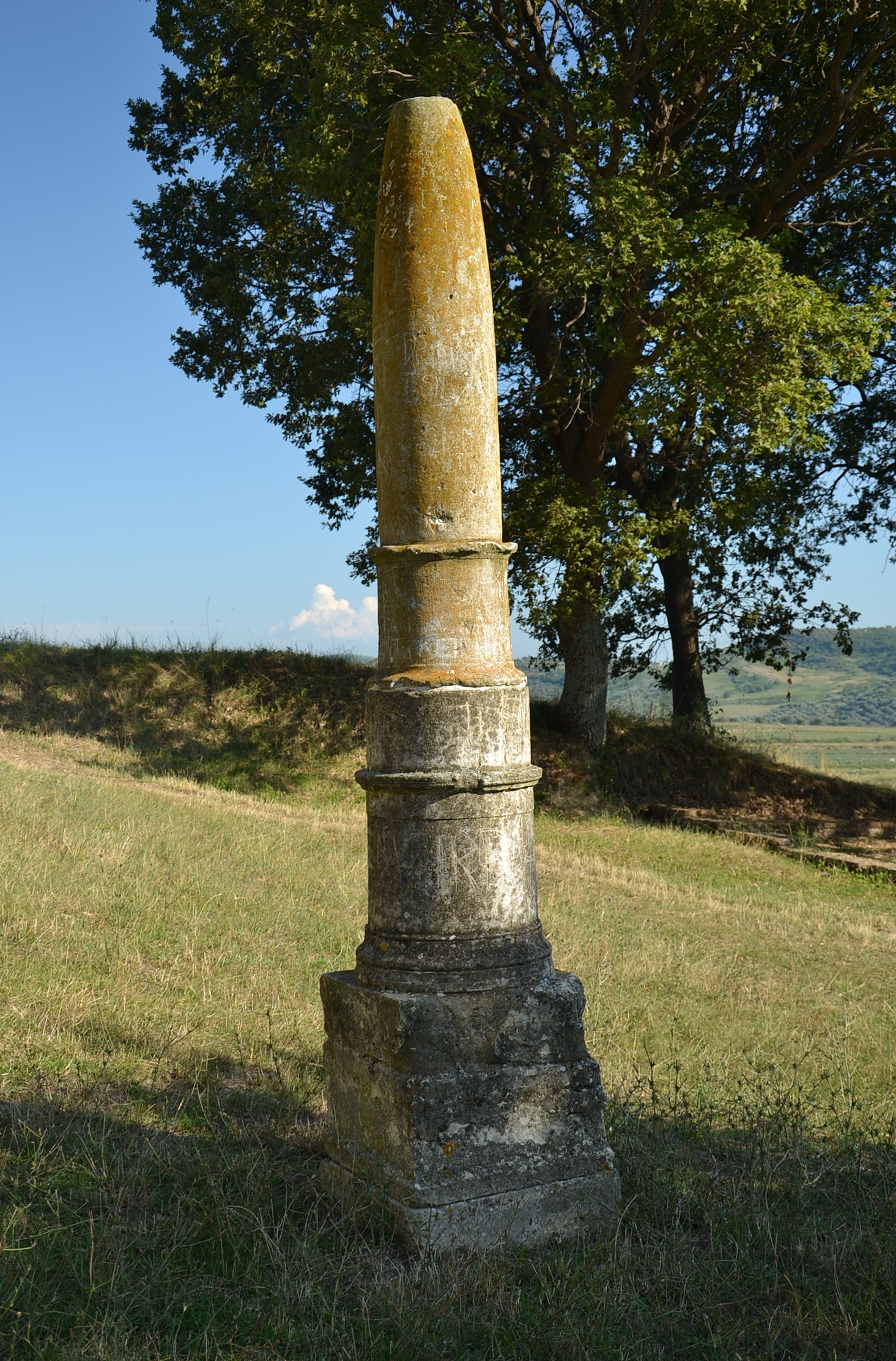
The obelisk of Apollo
A stone obelisk standing in the grass under a tree.
-
The Monument of the Agonothetes
A council house of the 2nd century BC with its ten rows of seats, beside the odeon and the Hellenistic theatre.
-
The museum
It is in the monastery of St Mary, beside the ruins.
-
Ardenica Monastery
Its church glows with frescoes of 1744 by the Zografi brothers and icons by Kostandin Shpataraku.
Apollonia in five dates
- Around 600 BC
About 200 colonists from Corinth, led by Gylax, found the city, first called Gylakeia and then renamed for Apollo.
- 2nd century BC
The council house, the Monument of the Agonothetes, is built, with its ten rows of seats.
- 44 BC
The young Octavian, studying here, learns that Julius Caesar has been murdered in Rome.
- 3rd century AD
An earthquake shifts the course of the Vjosa and silts up the harbour.
- 2003
The Archaeological Park of Apollonia is designated.
Apollonia in numbers
-
~600 BC
Founded by colonists from Corinth and Corfu
-
44 BC
Young Octavian hears here that Caesar is dead
-
10 rows
Of seats in the Monument of the Agonothetes
-
42 km
From Vlorë, about 45 minutes
Where it is
About 42 km north of Vlorë, on the road towards Fier. Ardenica Monastery lies north of Fier.
What to bring
- Sun hat: for a full day among the ruins
- Water: for a long day out
- Comfortable shoes: ruins, a theatre and a monastery
- Camera: the theatre, the odeon and the council house
- Modest clothing: for Ardenica Monastery
- Sunglasses: for the bright light on old stone
- Snack: to bridge the gap between sights
Is it worth it?
Yes, if…
you like ancient cities with a story attached, and want to make a day of it with Ardenica Monastery.
Maybe not, if…
you only have a few hours to spare: it is about 42 km north of Vlorë, and the visit is best planned as a full day with Ardenica.
Choose spring or autumn, or go early in the morning in summer, and check current prices and opening times before you go.
Combine it with
Continue exploring
More places and ideas for your days around Vlorë:
- Byllis in a day: the Illyrian city above the Vjosa
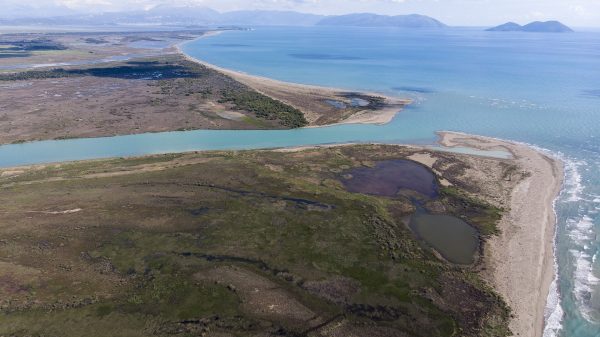
- The Vjosa Delta, the river that silted up Apollonia’s harbour
- All attractions around Vlorë
- A complete Riviera itinerary from Vlorë to Himarë
- Archaeological sites in Vlorë: Amantia, Orikum, Kanina and ancient Aulona
- Where to stay in Vlorë: our complete guide