Vlorë’s own wild river, a valley of quiet villages and a long, unhurried history.
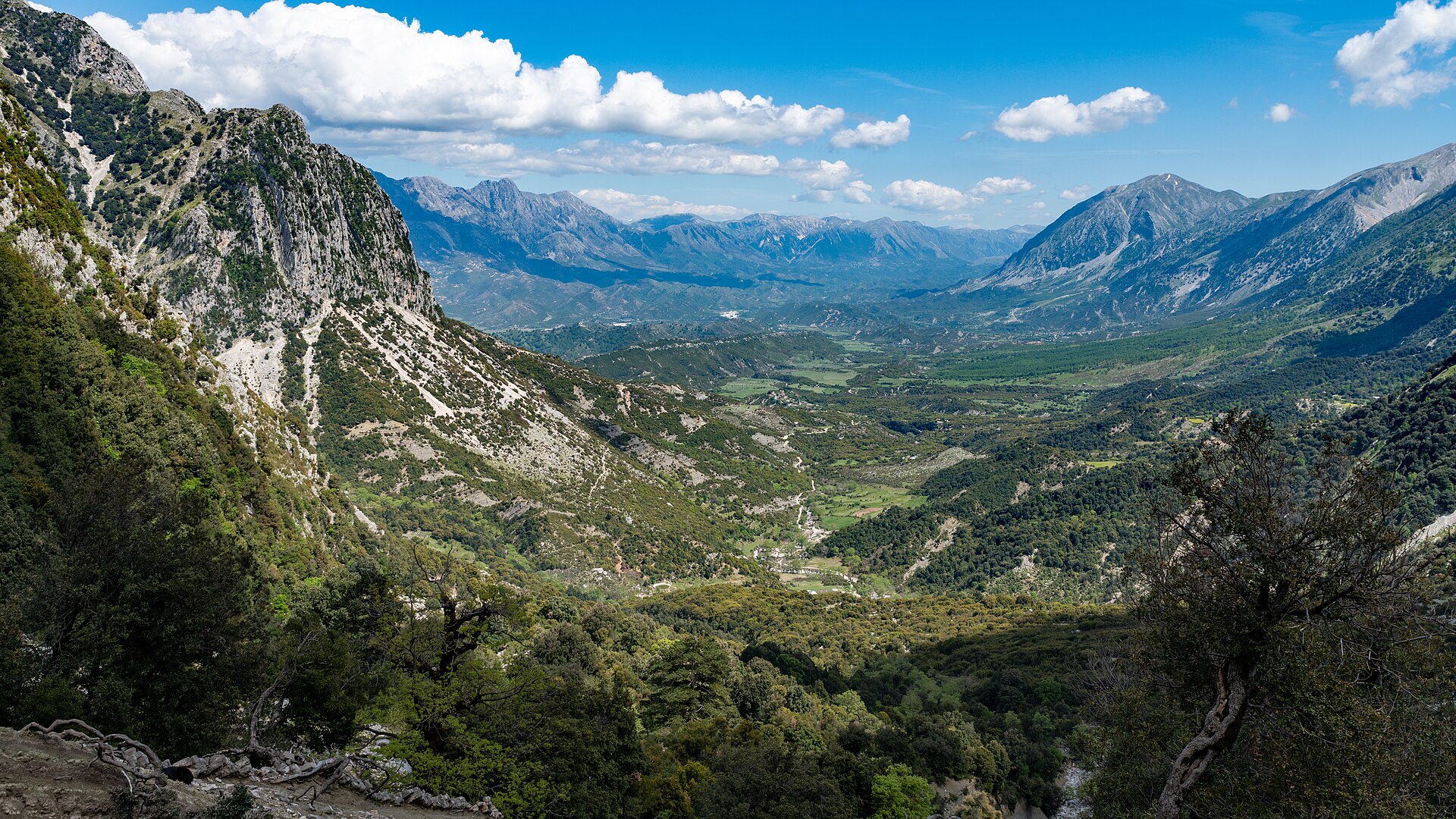
The Shushica valley follows Vlorë’s own wild river, also called the Vlora River, which rises near the village of Kuç and runs for about 80 km north-west to join the Vjosa near Armen. It is a valley of small villages and fields, best driven slowly in spring or autumn. Allow half a day to a full day.
A road between the coast and the interior
Turn inland from Vlorë and follow the river, and within minutes the coast is forgotten. The Shushica, also called the Vlora River, rises near the village of Kuç in the mountains of Himarë and runs for about 80 km north-west, past Brataj, Kotë and the village of Shushicë, before joining the Vjosa near Armen. After the Drino, it is the Vjosa’s most important tributary, and like the Vjosa itself, it still runs free. The ancient writers knew it as Polyanthos and Chaonites.
This valley has always been a road between the coast and the interior, and history has marched along it. In December 1940, during the Greco-Italian War, Greek forces advanced up it towards Himarë; in September and October 1943 it was the scene of the Battle of Drashovica between Albanian resistance groups and the German army.
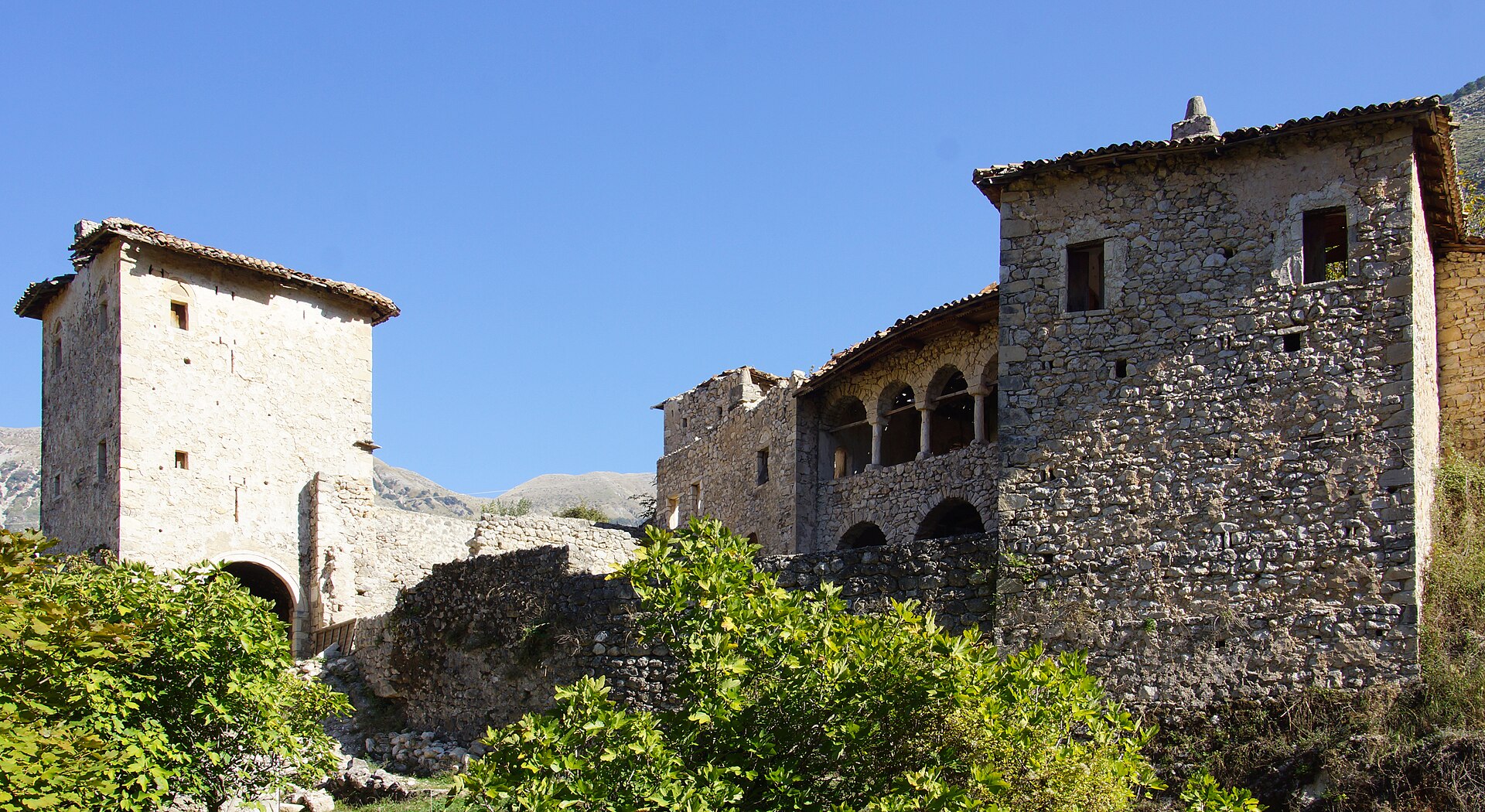
Today it is a valley of small villages and fields, farmed from its upper reaches down, where the pace is set by the seasons. Four hydropower plants have been proposed on the river, and many residents have opposed them; you may still see their “No HEC in Shushicë” signs along the road.
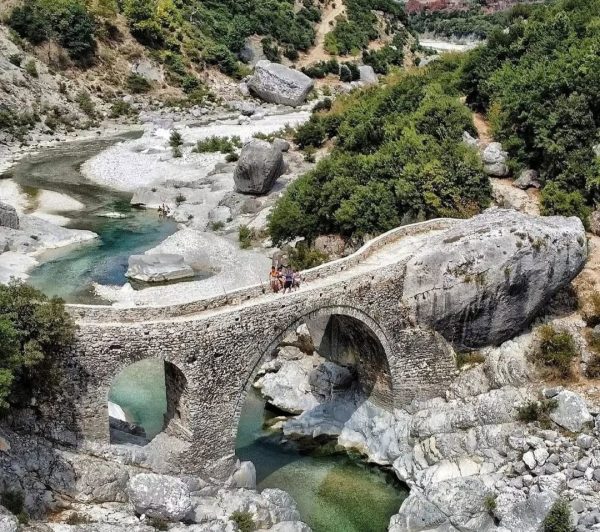
Drive it slowly, stop where the bridges cross the river at Peshkëpi, Drashovicë and Kotë, and continue upstream to Brataj, Lepenicë and Velçë.
What you’ll see
-
A river that still runs free
Like the Vjosa, it still runs free. The ancient writers knew it as Polyanthos and Chaonites.
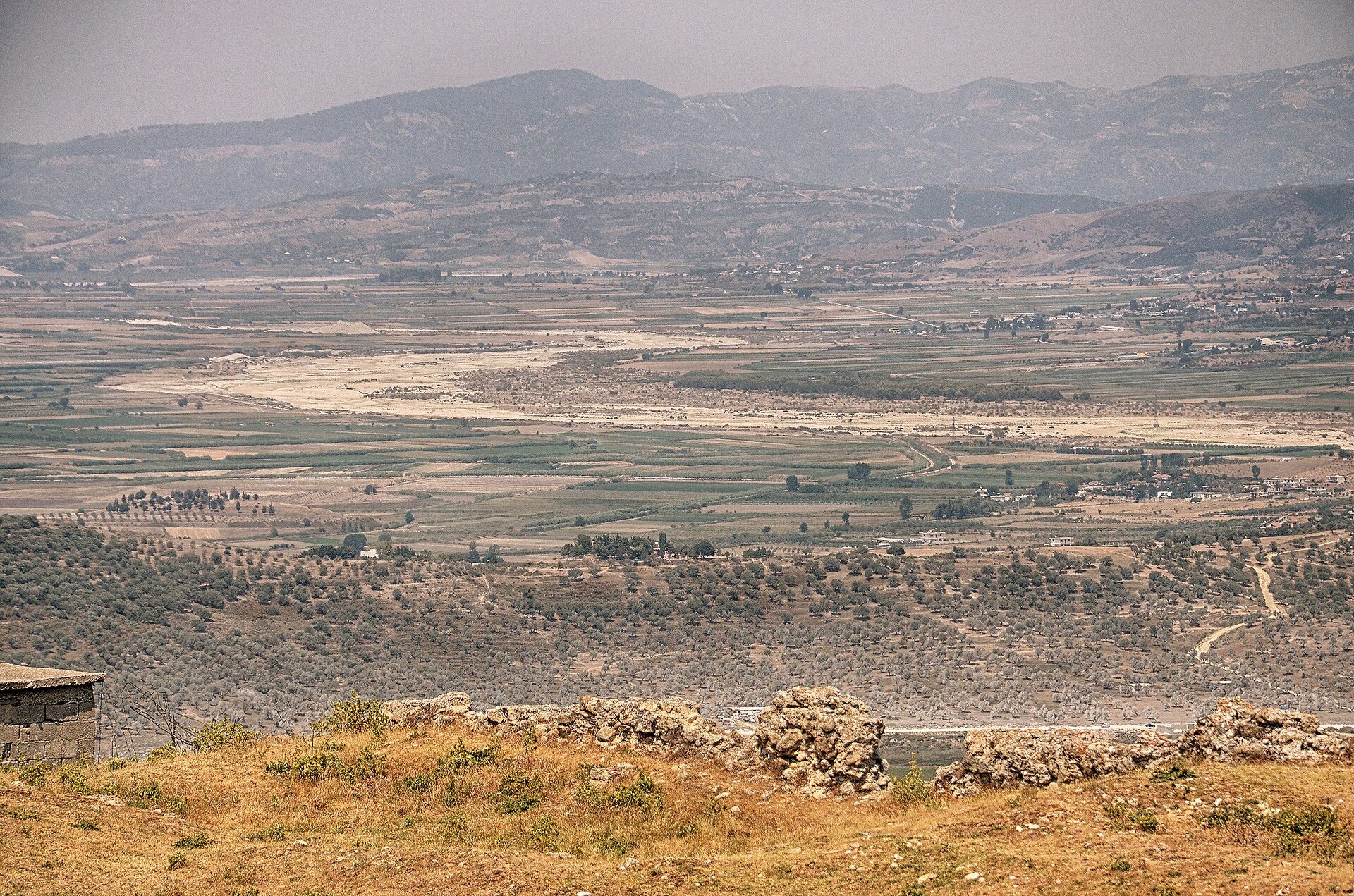
Villages and fields
Farmed from its upper reaches down, at a pace set by the seasons.
-
The bridges
Stop where they cross the river at Peshkëpi, Drashovicë and Kotë.
-
Upstream
Continue to Brataj, Lepenicë and Velçë, the villages further up the valley.
The Shushica in numbers
-
80 kilometres
Roughly the length of the river, running north-west from Kuç to the Vjosa
-
3 places to stop
Peshkëpi, Drashovicë and Kotë, where bridges cross the river
-
4 hydropower plants
Proposed on the river, and opposed by many residents
-
45 kilometres
From Valza to Brataj via Drashovicë, about an hour
Where it is
Inland from Vlorë: the river rises near Kuç in the mountains of Himarë and joins the Vjosa near Armen, 45 km from Valza to Brataj.
What to bring
- Offline map: you follow the river upstream
- Camera: bridges over a free-flowing river
- Full tank: about 45 km up the valley
- Water: for half a day or more on the road
- Snacks: for stops along the river
- Cash in lek: handy for small stops along the way
Is it worth it?
Yes, if…
you like quiet places, a slow drive with stops at the bridges, and a river that still runs free.
Maybe not, if…
you want a single sight to tick off: this is a valley to take slowly, often combined with Brataj, Lepenicë or Velçë.
Spring and autumn are the best time to go, and the valley is free.
Combine it with
Continue exploring
More places and ideas for your days around Vlorë:
- The Smokthina valley: a lost mosaic and a late Roman fortress
- The Vjosa Delta, where the Shushica’s waters reach the sea
- All attractions around Vlorë
- Archaeological sites in Vlorë: Amantia, Orikum, Kanina and ancient Aulona
- Vlorë in autumn: a 3-day itinerary from Orikum to Labëria
- Where to stay in Vlorë: our complete guide